

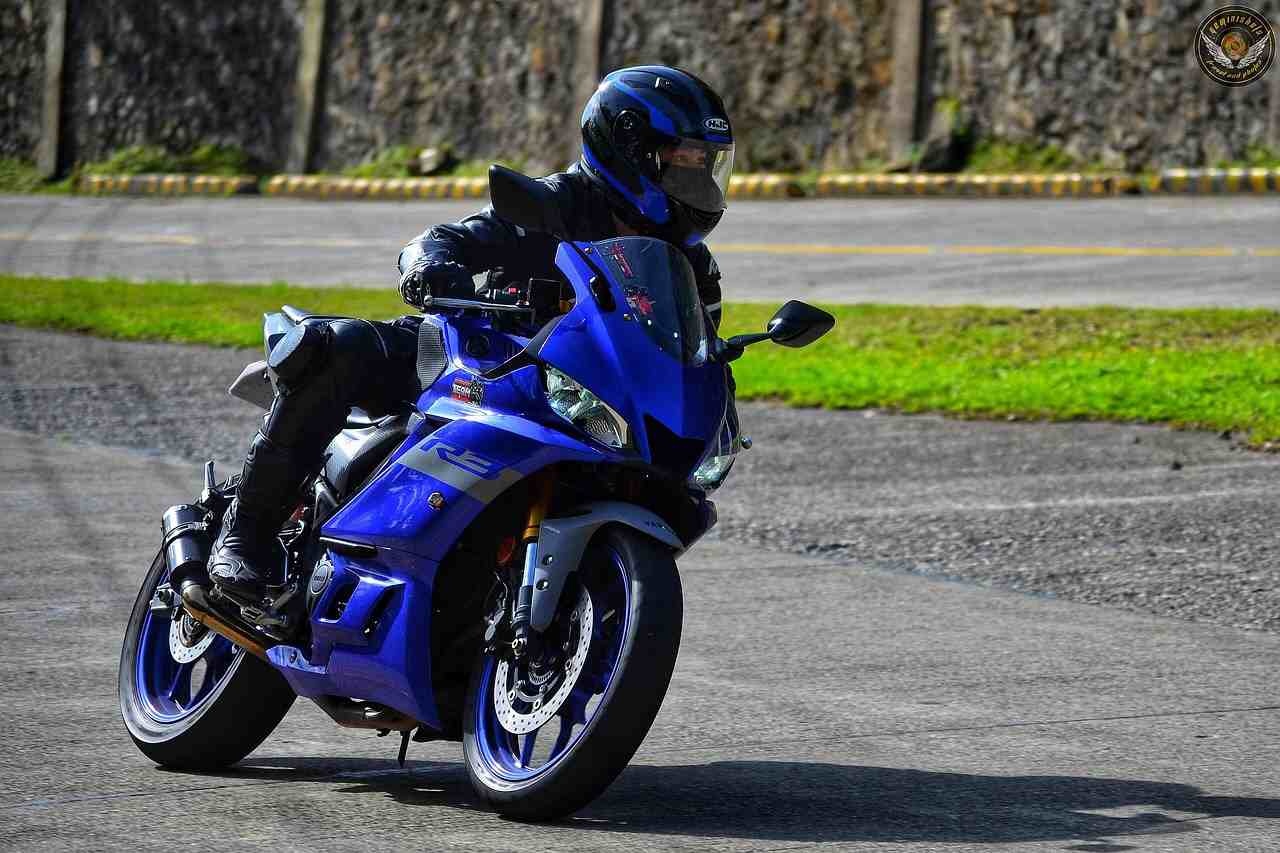
After a motorcycle crash, determining who was responsible is often one of the most important parts of an injury claim. Motorcycle accidents can involve multiple factors, including distracted driving, unsafe lane changes, speeding, failure to yield, impaired driving, or hazardous road conditions. Proving fault requires more than simply explaining what happened. Evidence must connect another party’s actions to the collision and resulting injuries.
Insurance companies may investigate the circumstances of the crash and look for reasons to dispute liability or reduce the amount they are willing to pay. Gathering evidence early and documenting the accident carefully can help establish what happened. Working with an experienced motorcycle accident lawyer can also help you understand what evidence may be relevant and how Colorado law may apply to your claim.
1. Obtain the Police Crash Report
A police report can provide important information about how a motorcycle crash occurred. Officers may document the location, road conditions, statements from the people involved, visible damage, traffic violations, and other observations made at the scene.
The report may also identify whether a citation was issued or whether officers identified potential contributing factors. However, the report is only one piece of evidence and may not contain everything needed to establish liability. Obtaining and reviewing the crash report can help identify inconsistencies or additional evidence that may need to be investigated.
2. Gather Photos and Physical Evidence
Photographs can help preserve details that may disappear after the crash. When possible, take pictures of the motorcycle, other vehicles, road conditions, traffic signs, skid marks, debris, and the surrounding area.
Damage to the motorcycle and other vehicles may also help show the direction and force of the impact. If your motorcycle or protective equipment was damaged, preserve those items rather than immediately repairing or discarding them. Physical evidence can become especially valuable when the parties disagree about how the collision occurred.
3. Identify and Preserve Witness Statements
People who witnessed the crash may have information that is not available from photographs or official reports. A witness may have seen a driver run a red light, change lanes without checking, make an unsafe turn, or fail to yield to a motorcycle.
Try to obtain witness contact information at the scene if you are physically able to do so. Witnesses may later be able to provide statements about what they observed. The sooner witness information is preserved, the less likely it is that important details will be forgotten.
4. Review Traffic Laws and Driver Conduct
Evidence of a traffic violation can be relevant when determining whether another driver acted negligently. Common examples in motorcycle crashes include speeding, distracted driving, unsafe lane changes, failure to yield, following too closely, and turning into the path of a motorcycle. Colorado transportation officials specifically advise drivers to check blind spots, look twice for motorcycles, avoid distractions, and give motorcycles sufficient following distance.
The circumstances of the individual crash still matter. A traffic violation does not automatically resolve every issue in an injury claim, but it may provide important evidence about how the collision occurred.
5. Document Your Injuries and Medical Treatment
Proving fault is only part of a motorcycle accident claim. You may also need to establish the injuries and losses caused by the collision. Seek medical attention promptly and follow your healthcare provider’s recommendations.
Keep copies of medical records, bills, prescriptions, treatment plans, and information about time missed from work. Medical documentation can help establish the connection between the crash and your injuries and demonstrate the extent of the harm you experienced.
6. Consider Whether Other Factors Contributed to the Crash
Not every motorcycle accident involves only two drivers. Road hazards, poor maintenance, defective motorcycle components, weather conditions, or other circumstances may also need to be investigated.
For example, a motorcycle crash caused by a large pothole or another dangerous roadway condition may require a different investigation than a collision caused by an inattentive driver. Determining all potentially responsible parties can be important when building a complete claim.
7. Understand How Comparative Fault Can Affect Your Case
Colorado law allows fault to be apportioned among parties in civil injury cases. The percentage of negligence or fault attributed to each party can affect that party’s financial responsibility. This means an insurance company may attempt to argue that the motorcycle rider contributed to the crash. Issues such as speeding, distraction, or other alleged unsafe riding conduct may become part of that discussion.
Colorado State Patrol reported that distraction was a significant contributing factor in motorcycle crashes in 2024 and investigated hundreds of at-fault motorcycle crashes that year. Because comparative fault can affect the amount that may be recovered, evidence should address the conduct of everyone involved rather than focusing only on the rider.
8. Work With a Motorcycle Accident Attorney to Investigate the Crash
Some motorcycle accidents are straightforward, while others involve disputed facts, conflicting statements, or multiple potentially responsible parties.
An experienced motorcycle accident attorney can help gather and review crash reports, medical records, photographs, witness statements, vehicle damage, and other evidence. The firm’s published motorcycle accident process also describes investigating crashes, collecting evidence and medical records, assessing damages, communicating with insurers, and pursuing litigation when appropriate. Professional legal guidance can be particularly useful when an insurance company disputes fault or attempts to place responsibility on the injured rider.
How Evidence Can Affect a Motorcycle Accident Claim
Different types of evidence can serve different purposes when establishing fault and damages in a motorcycle accident claim. A police crash report documents the reported circumstances of the collision, while accident scene photographs may show vehicle positions, damage, road conditions, and traffic signs.
Witness statements can provide independent accounts of what happened, and vehicle damage may help explain the location and force of the impact. Medical records document injuries and treatment following the crash, while traffic citations may provide evidence of potential traffic violations. Surveillance or camera footage may capture the collision or events immediately before it, and roadway evidence may help identify hazards or conditions that contributed to the accident.
No single piece of evidence necessarily proves fault by itself. A complete investigation may be needed to understand how the available evidence fits together and helps establish liability and damages.
Protecting Your Motorcycle Accident Claim
Proving fault after a motorcycle crash requires careful attention to evidence, medical documentation, witness information, and the actions of everyone involved. Avoid making assumptions about responsibility before all relevant facts have been reviewed.
Take photographs when possible, preserve physical evidence, obtain medical care, keep records of your losses, and be cautious when discussing fault with insurance companies. If another person’s negligence may have caused your injuries, an experienced motorcycle accident attorney can help evaluate the available evidence and explain your legal options.
Frequently Asked Questions (FAQs)
What evidence can prove fault in a motorcycle accident?
Police reports, photographs, witness statements, traffic citations, vehicle damage, surveillance footage, medical records, and roadway evidence may all help establish how a motorcycle crash occurred and who may be responsible.
Can a police report prove who caused the motorcycle accident?
A police report can provide useful evidence about the crash, but it is not necessarily the only evidence used to determine fault. Other documentation and witness accounts may also be important.
What if the other driver denies causing the crash?
If the other driver disputes responsibility, photographs, witness statements, vehicle damage, video footage, traffic records, and other evidence may help establish what happened.
Can I still recover compensation if I was partly at fault?
Potentially. Colorado law allows fault to be apportioned among parties in civil injury cases, so the effect of a rider’s own alleged negligence depends on the circumstances and applicable law.
When should I contact a motorcycle accident lawyer?
If you suffered injuries, the other driver disputes fault, multiple factors may have contributed to the crash, or an insurance company is challenging your claim, contacting a motorcycle accident lawyer early can help you understand your options and preserve relevant evidence.