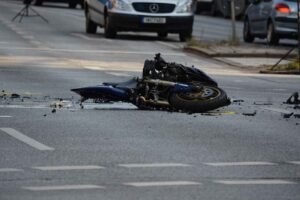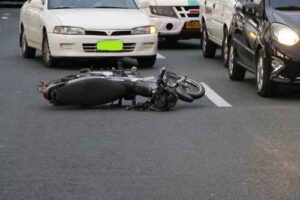
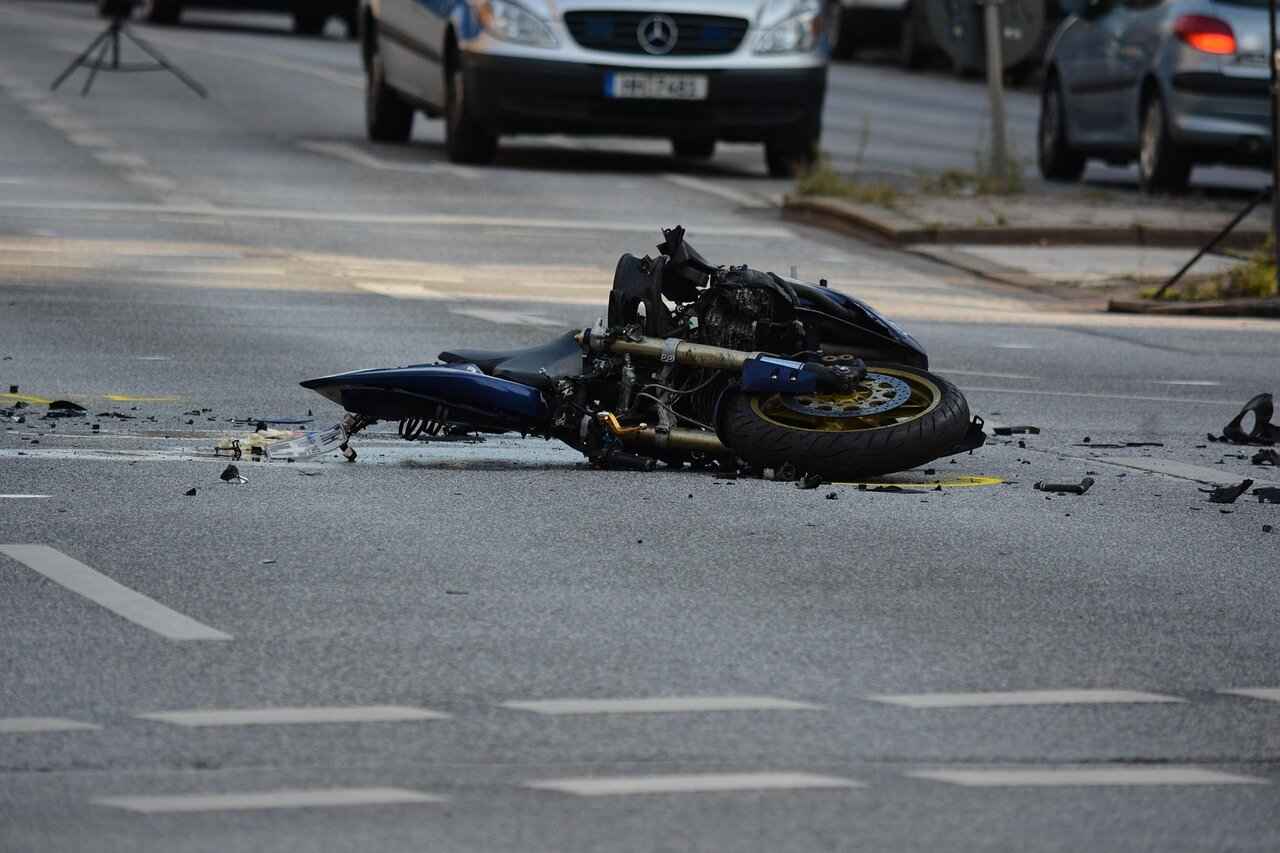
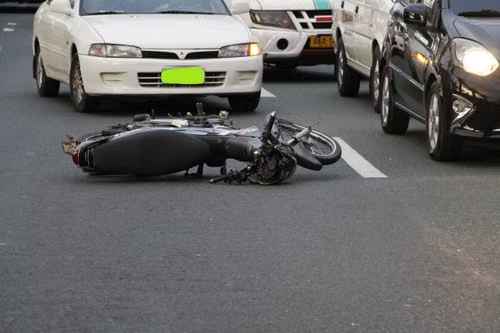
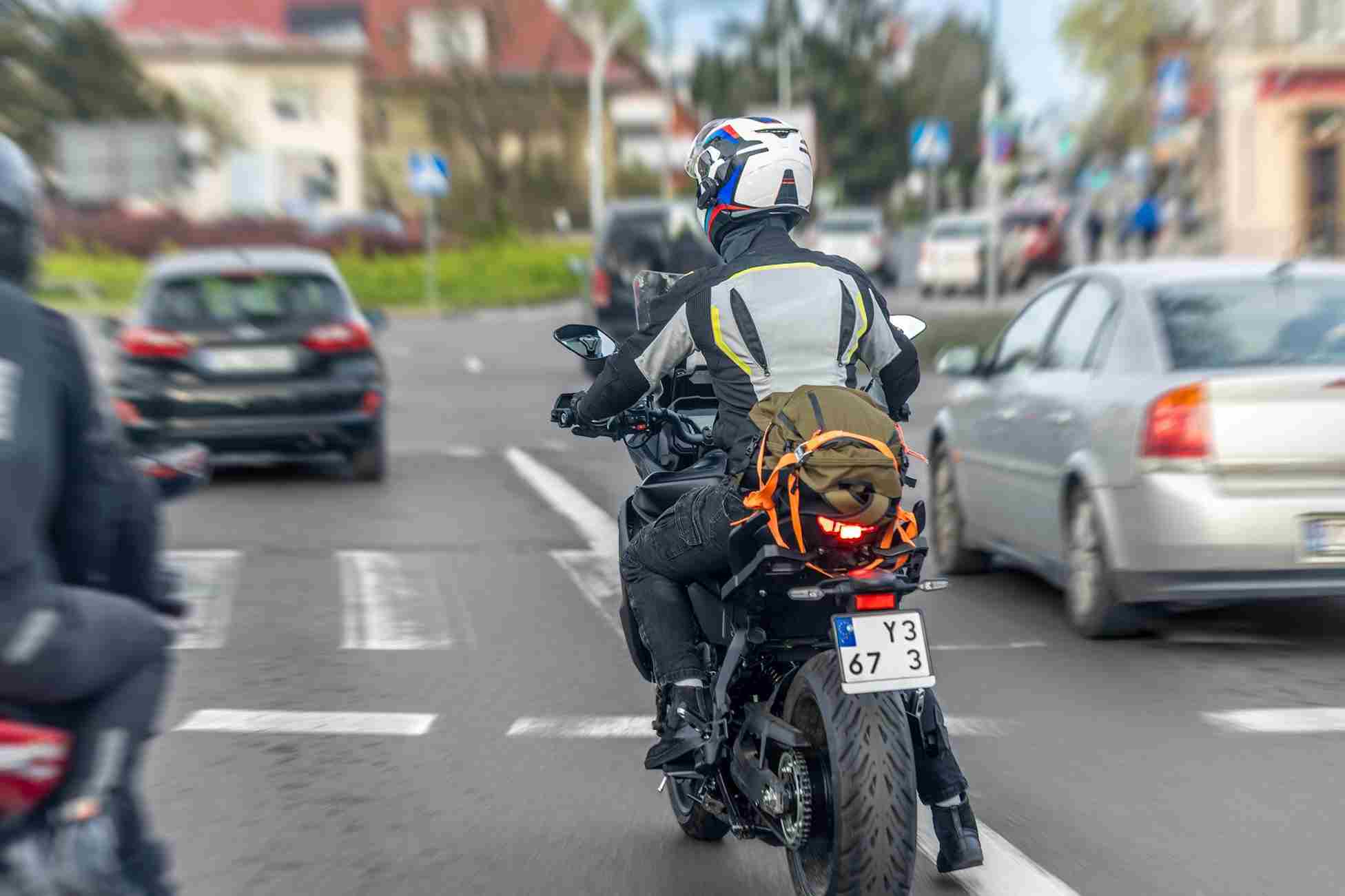
Motorcycle crashes can happen in seconds, but the injuries and financial consequences can last much longer. A rider may be injured because another driver failed to see a motorcycle at an intersection, changed lanes without checking a blind spot, drove while distracted, or operated a vehicle at an unsafe speed. Motorcycle crashes can also result from hazardous road conditions, impaired driving, or mistakes made by the rider.
Understanding what caused a crash is important not only for preventing future collisions but also for determining who may be responsible when someone is injured. If you or someone you love has been hurt in a motorcycle crash, speaking with an experienced motorcycle accident attorney can help you understand your legal options and the evidence that may be relevant to your claim.
Drivers Failing to See Motorcyclists
One of the challenges motorcyclists face is visibility. A motorcycle is smaller than most passenger vehicles, which can make it easier for another driver to overlook it in traffic.
Drivers may fail to notice a motorcycle when:
Changing lanes
Entering a roadway
Turning at an intersection
Merging onto a highway
Checking a blind spot
Following another vehicle
CDOT specifically advises drivers to check their blind spots and look twice before entering a roadway because motorcycles can be difficult to see. A driver who fails to see a motorcycle may turn directly into a rider’s path or move into an occupied lane. These collisions can cause significant injuries because riders have far less physical protection than occupants of enclosed vehicles.
Distracted Driving and Rider Inattention
Distraction can affect both drivers and motorcyclists. Looking at a phone, adjusting navigation, eating, or focusing on something other than the road can reduce a person’s ability to recognize hazards and react in time.
The Colorado State Patrol identified distraction as the third most common causal factor for motorcycle crashes in 2024. CSP also reported that it investigated hundreds of at-fault motorcycle crashes that year and emphasized the importance of remaining focused while riding.
A distracted driver may fail to notice a motorcycle approaching an intersection or may drift into a rider’s lane. A distracted rider can also have difficulty responding to changing traffic or roadway conditions. When distraction is suspected, evidence such as witness statements, phone records, surveillance footage, and crash-scene evidence may help establish what happened.
Speeding and Aggressive Driving
Speed is another factor that can make motorcycle crashes more likely or more severe. When a vehicle travels at an excessive or unsafe speed, the driver has less time to recognize hazards and respond. A higher speed can also increase the force involved in a collision. Colorado transportation officials have repeatedly identified speed as a significant factor in motorcycle crashes. CDOT advises both drivers and riders to obey posted speed limits and adjust their driving or riding to roadway conditions.
Aggressive behaviors such as unsafe passing, following too closely, weaving through traffic, or making sudden maneuvers can create additional risks for motorcyclists. If another driver’s speeding or aggressive behavior contributed to a crash, evidence showing the driver’s conduct may become important when determining liability.
Driving Under the Influence
Alcohol and drugs can impair judgment, coordination, reaction time, and attention. These effects can be especially dangerous around motorcycles. CDOT reported that more than one-quarter of Colorado motorcycle fatalities in 2025 involved impairment. State transportation officials also identify alcohol and drugs as significant contributing factors in motorcycle crashes.
An impaired driver may have difficulty maintaining a lane, judging the distance of an approaching motorcycle, or responding appropriately to traffic conditions. If a motorcycle crash involves an impaired driver, the circumstances surrounding the driver’s impairment may become important evidence in an injury claim.
Unsafe Lane Changes and Merging
Motorcycles can easily become hidden in a vehicle’s blind spot. A driver who changes lanes or merges without checking properly may collide with a motorcycle traveling alongside them. These crashes can occur on highways, multi-lane city streets, and busy intersections.
Drivers should check their mirrors and blind spots before changing lanes and allow adequate space around motorcycles. CDOT specifically encourages drivers to check blind spots and look twice for motorcycles. If a rider is struck during a lane change or merge, photographs, vehicle damage, witness accounts, traffic-camera footage, and other evidence may help determine how the collision occurred.
Unsafe Turns at Intersections
Intersections can create particular risks for motorcyclists. A driver making a left turn may fail to notice an approaching motorcycle or misjudge its distance and speed. A driver turning right may also fail to check for a motorcycle traveling nearby. CDOT has emphasized the importance of drivers yielding to motorcycles, particularly while turning at intersections.
Intersection crashes can leave riders with serious injuries because a motorcycle provides relatively little physical protection during a collision. If you were injured when another vehicle turned into your path, a motorcycle crash lawyer can review the available evidence to determine how the collision occurred and whether another party may be legally responsible.
Following a Motorcycle Too Closely
Following too closely reduces the amount of time a driver has to react if the motorcycle ahead slows down or stops. A motorcycle may also stop more quickly than a driver behind it expects. If the following vehicle does not leave enough space, a rear-end collision can occur.
CDOT advises drivers not to follow motorcycles too closely. When a rear-end crash occurs, evidence such as vehicle damage, skid marks, photographs, witness statements, and the police report may help establish what happened.
Hazardous Road Conditions
Not every motorcycle crash is caused by another driver. Roadway conditions can also create serious risks for riders.
Hazards may include:
Loose gravel or sand
Potholes
Uneven pavement
Standing water
Oil or other substances on the road
Road debris
Poorly marked construction areas
Damaged or missing roadway features
A condition that may be manageable for a passenger vehicle can be much more dangerous for a motorcycle. If a dangerous road condition contributed to a crash, determining who may be responsible can require an investigation into the location, maintenance, construction activity, and other circumstances surrounding the roadway.
Inexperienced or Unfamiliar Drivers
Drivers who have limited experience sharing the road with motorcycles may not recognize how quickly a motorcycle can approach or how much space a rider needs. They may also have difficulty judging a motorcycle’s position when turning, merging, or changing lanes.
Inexperience can overlap with other unsafe behaviors, such as failing to check blind spots or making sudden movements in traffic. The Colorado State Patrol has identified lack of experience among factors associated with motorcycle crashes.
If an inexperienced driver’s actions contributed to your injuries, the fact that the driver was unfamiliar with motorcycles does not by itself establish liability. The specific conduct that caused the crash still needs to be examined.
Rider Errors and Unsafe Riding Decisions
Motorcycle crashes are not always caused by another driver. A rider’s own actions can sometimes contribute to a collision.
Potential factors can include:
Excessive speed
Inattention
Impaired riding
Inexperience
Unsafe maneuvers
Failure to account for roadway conditions
Colorado State Patrol has reported rider-related factors such as speed, inattention, lack of experience, and impairment in connection with motorcycle crashes. This does not mean that a rider is automatically responsible whenever one of these factors is alleged.
Determining fault requires examining the circumstances and available evidence. Colorado’s comparative negligence rules can also affect a personal injury claim when more than one party contributed to an accident.
How the Cause of a Motorcycle Crash Can Affect Your Claim
Determining why a motorcycle crash happened is an important part of evaluating a potential injury claim.
Depending on the circumstances, evidence may include:
Police and crash reports
Photographs and videos
Witness statements
Traffic or surveillance footage
Vehicle and motorcycle damage
Roadway conditions
Medical records
Accident reconstruction evidence
Driver or rider statements
The cause of the crash may also affect which party or parties could potentially be responsible. For example, a claim involving a distracted driver may require different evidence from one involving a hazardous roadway or a disputed lane change. A thorough investigation can help identify the facts that are relevant to the particular case.
When a Motorcycle Accident Attorney Can Help
If you were injured in a motorcycle crash, determining who was responsible may not always be straightforward. A motorcycle accident attorney can investigate the circumstances surrounding the collision, identify potentially relevant evidence, review medical records, communicate with insurance companies, and help you understand your legal options.
This can be particularly important when:
The other driver denies responsibility
Multiple vehicles were involved
Your injuries are serious
The insurance company disputes your claim
A roadway condition may have contributed
There are conflicting accounts of what happened
Important evidence needs to be preserved
5280 Injury Law’s motorcycle accident practice handles claims involving circumstances such as distracted driving, speeding, impaired driving, inexperienced drivers, road hazards, and weather-related conditions.
Protect Your Rights After a Colorado Motorcycle Crash
Understanding the cause of a motorcycle crash can help explain how the collision happened and what evidence may be important. Whether the crash involved another driver’s distraction, speeding, unsafe turning, impairment, a roadway hazard, or another factor, the specific facts of the case matter.
If you were injured because of another person’s negligence, an experienced motorcycle accident attorney can review the circumstances and help you understand your potential legal options.
At 5280 Injury Law, our Colorado personal injury attorneys represent people injured in motorcycle crashes and other motor vehicle accidents. Contact the firm to discuss your accident and learn more about the legal options available to you.
Frequently Asked Questions (FAQs)
What is the most common cause of motorcycle accidents in Colorado?
Motorcycle crashes can have many causes, including speeding, distraction, impaired driving, unsafe lane changes, failure to see motorcycles, rider inattention, and hazardous roadway conditions. The cause of an individual crash depends on the specific circumstances and available evidence.
Can a driver be responsible for a motorcycle crash even if they did not hit the motorcycle?
Yes. A driver’s actions may contribute to a motorcycle crash even without direct contact between the vehicles. For example, an unsafe lane change or sudden maneuver may cause a rider to lose control or collide with another object.
Can poor road conditions cause a motorcycle accident claim?
Potentially. If a hazardous roadway condition contributed to a crash, there may be legal questions involving the party responsible for creating, maintaining, or managing that condition. The applicable rules depend on the circumstances.
What evidence can help prove what caused a motorcycle crash?
Evidence may include police reports, photographs, videos, witness statements, surveillance footage, vehicle damage, roadway conditions, medical records, and accident reconstruction evidence.
Should I contact a motorcycle accident attorney after a crash?
Consider speaking with an attorney if you suffered significant injuries, the cause of the crash is disputed, an insurance company is challenging your claim, or you believe another driver or party may be responsible. A motorcycle accident attorney can review the facts and explain your legal options.