Motorcycle helmet laws can vary from state to state, and understanding the rules in Colorado is important for anyone who rides or travels as a motorcycle passenger. Colorado does not have a universal helmet requirement for every adult rider. Instead, state law specifically requires people under 18 to wear a protective motorcycle helmet while riding on a roadway.
Even when a helmet is not legally required based on age, wearing one can provide important protection in a crash. The Colorado Department of Transportation encourages motorcycle riders of all ages to wear a DOT-compliant helmet and appropriate protective gear.
Understanding the helmet law Colorado riders must follow can also become important after an accident, particularly if an insurance company questions the rider’s conduct or the extent of the resulting injuries.
1. Know Who Must Wear a Motorcycle Helmet
Colorado law requires each person under 18 who operates or rides as a passenger on a motorcycle on a roadway to wear a protective helmet designed for motorcycle use. The helmet must meet the requirements established under state law and must be properly secured with a chin strap while the motorcycle is moving.
Adult motorcycle riders are not subject to the same statewide age-based helmet requirement. However, the absence of a universal requirement does not mean helmets are unimportant. CDOT recommends that all riders, regardless of age, wear a DOT-compliant helmet on every ride. Knowing who is legally required to wear a helmet is an important part of understanding Colorado motorcycle laws, particularly for younger riders and passengers.
2. Make Sure the Required Helmet Meets Safety Standards
Colorado’s helmet requirements cover more than simply wearing something on your head. A helmet required under the law must be designed to reduce injuries from head impacts and provide protection by remaining on the rider’s head, resisting penetration, and spreading the force of an impact.
The helmet must also include appropriate lining, padding, and a chin strap and meet or exceed the U.S. Department of Transportation’s federal motorcycle helmet safety standard. These requirements are intended to ensure that a legally required helmet provides meaningful protection if a crash occurs.
3. Don't Forget Colorado's Eye Protection Requirement
Helmet use is only one part of Colorado motorcycle laws. Riders and passengers must also use appropriate eye protection when operating or riding on a public highway unless they are wearing a helmet that provides qualifying eye protection.
Eye protection can help shield riders from wind, dust, insects, and road debris that could interfere with visibility. Riders should make sure their protective equipment complies with the applicable requirements before getting on the road. Understanding these requirements can help riders avoid preventable safety and compliance issues while operating a motorcycle in Colorado.
4. Preserve Your Helmet and Other Evidence After a Crash
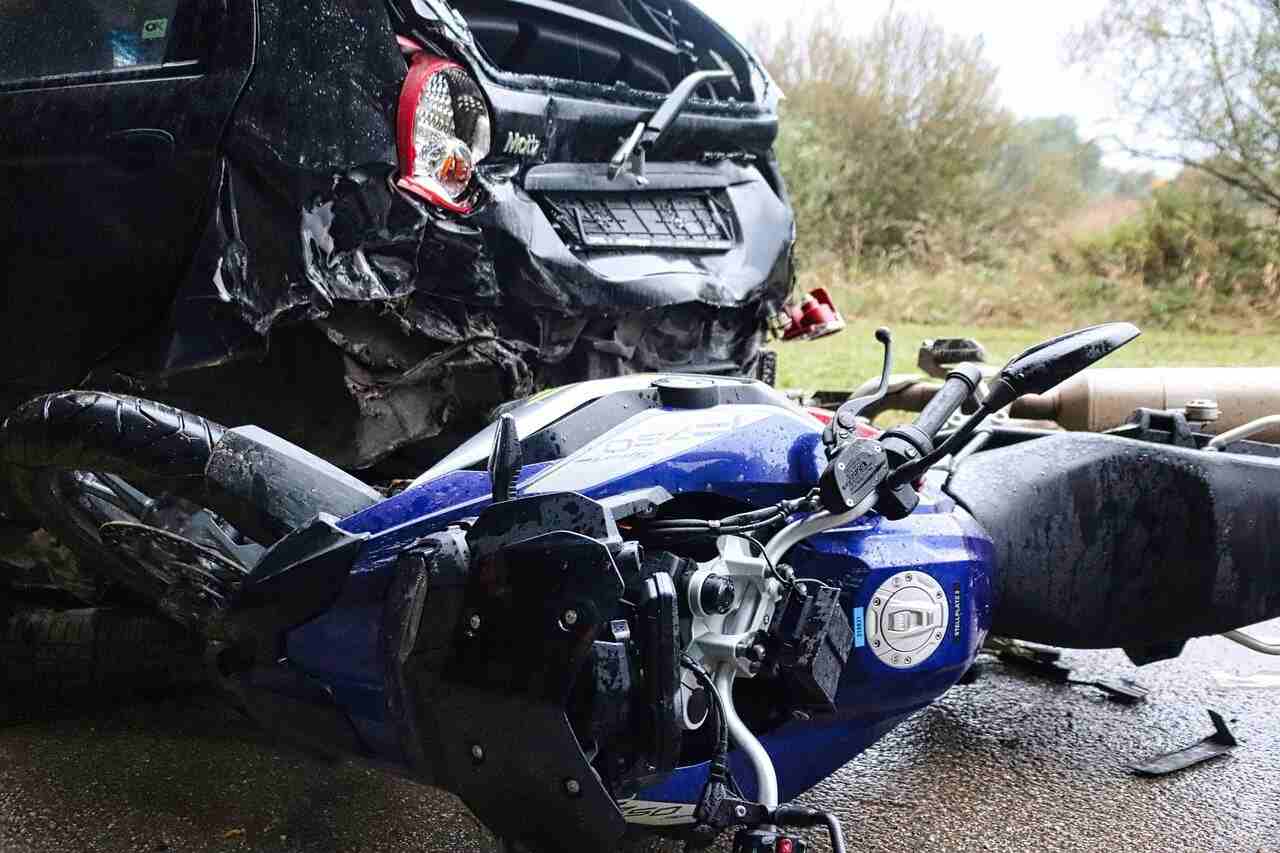
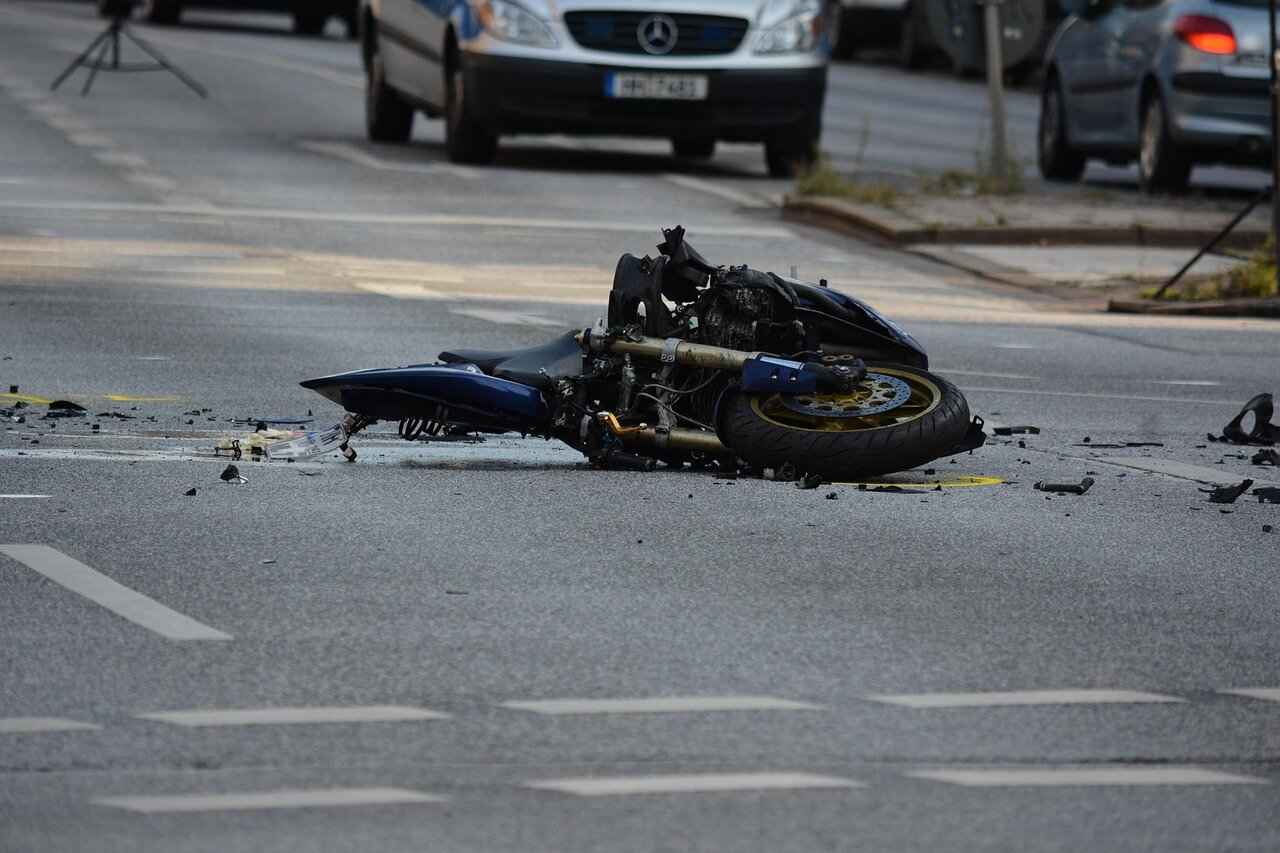
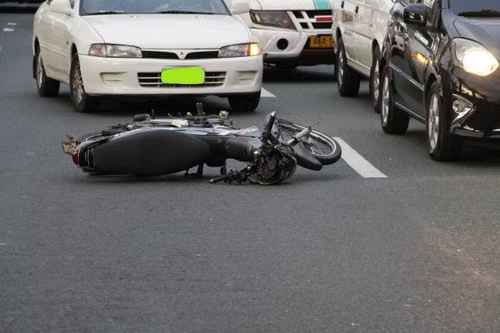
If you are involved in a motorcycle accident, preserving evidence can help establish what happened and how the collision affected you. When it is safe to do so, photograph the accident scene, motorcycle damage, roadway conditions, traffic signs, and visible injuries.
If you were wearing a helmet during the crash, keep it rather than throwing it away or attempting to repair it. A damaged helmet may provide information about the impact and should be preserved with other physical evidence. You should also keep medical records, bills, repair estimates, prescription information, and documentation of lost income. Witness contact information and the police report may also help establish the circumstances of the collision.
5. Be Careful When Discussing Helmet Use With Insurance Companies
Insurance companies may ask questions about whether you were wearing a helmet, how the crash happened, and what injuries you sustained. These questions may become important when an insurer evaluates the circumstances of an injury claim.
Not wearing a helmet does not automatically establish who caused a motorcycle accident. If another driver was speeding, distracted, failed to yield, changed lanes unsafely, or otherwise contributed to the collision, those facts may still be relevant to determining responsibility. Because the effect of helmet use can depend on the facts of a particular case, avoid assuming that one factor determines the outcome of your entire claim.
6. Understand How Colorado Motorcycle Laws May Affect Your Claim
Colorado motorcycle laws establish specific responsibilities for riders and passengers. A violation of the state’s protective helmet requirement is classified as a class A traffic infraction.
However, an accident claim involves more than determining whether a rider followed one particular safety rule. The actions of other drivers, road conditions, traffic violations, witness statements, vehicle damage, medical evidence, and the circumstances of the collision may all be relevant. Understanding the complete picture can help prevent one issue, such as helmet use, from being considered without the rest of the accident evidence.
7. Know When a Motorcycle Accident Attorney Can Help
After a motorcycle crash, injured riders may have to deal with medical treatment, property damage, lost income, and insurance communications at the same time. Disputes can become more complicated when another party denies responsibility or an insurance company questions the severity of the injuries.
An experienced motorcycle accident attorney can investigate the circumstances of the crash, review available evidence, communicate with insurance companies, and explain the legal options that may be available. Legal guidance can be particularly helpful when questions about helmet use, fault, injuries, or compensation become part of an insurance dispute.
How Helmet Use and Other Issues Can Affect Your Claim
Helmet use is only one factor that may be considered after a motorcycle accident. Not wearing a helmet may become relevant when certain head or brain injuries are disputed. A helmet damaged in the crash may provide physical evidence about the impact, while failure to follow safety requirements could become part of the insurer’s evaluation of the claim.
Another driver’s negligence may support your claim if their actions contributed to the collision. Medical documentation can help establish the nature and extent of your injuries, while accident scene evidence may help explain how the crash occurred. Witness statements can provide additional information about fault, and inconsistent or incomplete statements to insurance companies may create disputes during the claims process.
Protecting Your Motorcycle Accident Claim
Understanding the helmet law Colorado riders must follow is only one part of protecting your rights after a motorcycle accident. Seek medical attention after an injury, preserve important evidence, keep records of accident-related expenses, and be cautious when discussing the crash with an insurance company.
If another person’s actions contributed to your injuries, speaking with an experienced motorcycle accident attorney can help you understand your legal options and the evidence that may be relevant to your claim. At 5280 Injury Law, injured Coloradans can seek guidance regarding motorcycle accidents, insurance issues, and potential injury claims. Getting legal guidance early can also help preserve important evidence and address disputes before they become more difficult to resolve.
Frequently Asked Questions (FAQs)
Does Colorado require motorcycle riders to wear helmets?
Colorado requires motorcycle riders and passengers under 18 to wear a protective helmet that meets the state’s requirements. Adult riders are not subject to the same statewide age-based helmet requirement.
What type of helmet is required in Colorado?
A helmet required under Colorado law must be designed for motorcycle use, include appropriate protective components and a chin strap, and meet or exceed the applicable federal motorcycle helmet safety standard.
Is eye protection required for motorcycle riders in Colorado?
Yes. Riders and passengers generally must use qualifying eye protection on public highways unless they are wearing a helmet that provides the required eye protection.
Can not wearing a helmet affect a motorcycle accident claim?
It may become relevant to certain issues in an injury claim, particularly when the nature or severity of an injury is disputed. However, the effect depends on the facts of the individual accident and applicable law.
When should I contact a motorcycle accident attorney?
If you suffered injuries, significant financial losses, or an insurance dispute after a motorcycle accident, contacting a motorcycle accident attorney early can help you understand your rights and potential legal options.