


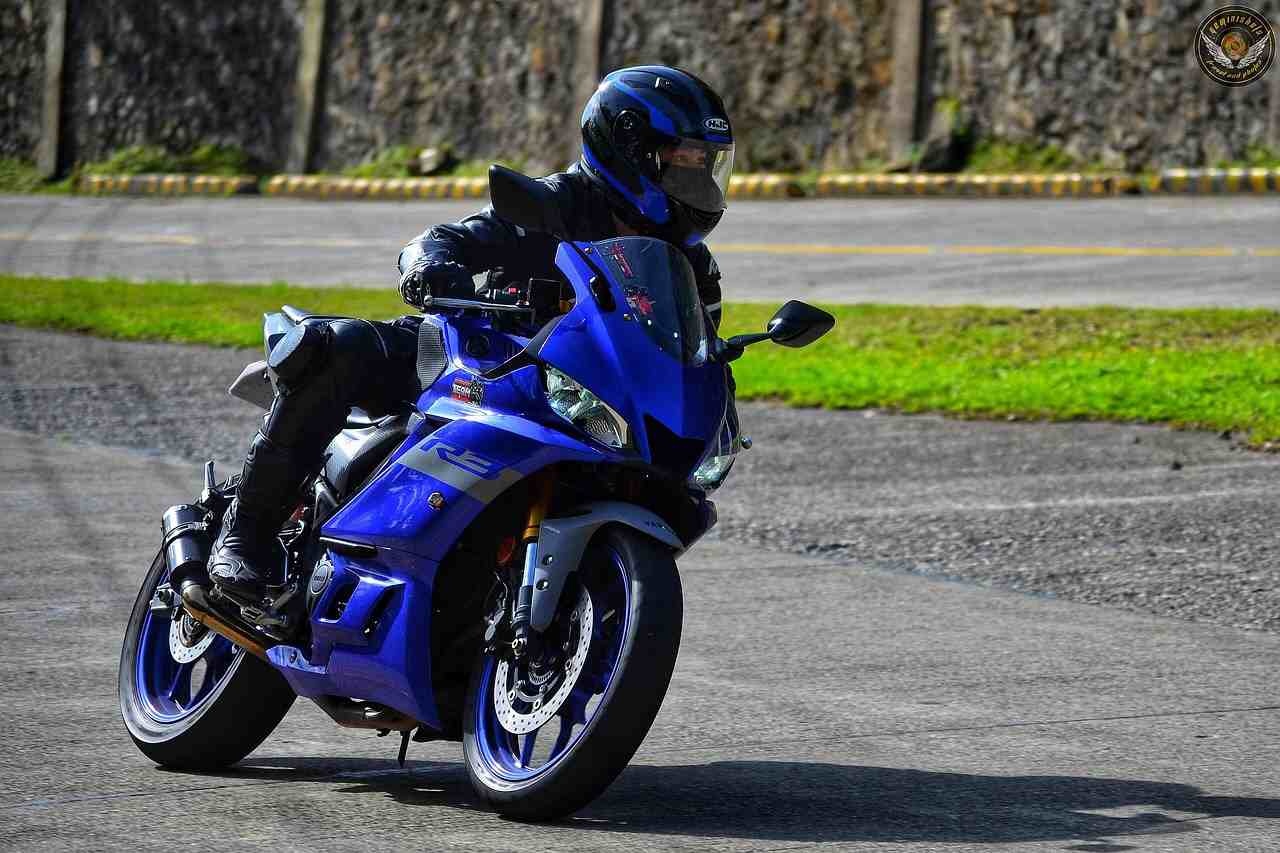
Motorcycle accidents can cause serious injuries because riders have far less physical protection than people inside passenger vehicles. Even when a rider survives a crash, the resulting injuries may require extensive medical treatment and can affect work, mobility, and everyday life for months or years.
Some motorcycle accident injuries are immediately obvious, while others may develop or become more serious over time. Understanding the potential effects of these injuries can help accident victims recognize the importance of medical care, documentation, and appropriate legal guidance. If your injuries were caused by another driver’s negligence, speaking with a motorcycle accident lawyer can help you understand your legal options and the factors that may affect your claim.
1. Traumatic Brain Injuries
Traumatic brain injuries are among the most serious injuries that can occur in a motorcycle accident. A rider can suffer a concussion, brain contusion, or more severe brain injury after striking another vehicle, the road, or another object.
Symptoms may include headaches, dizziness, confusion, memory problems, difficulty concentrating, and changes in mood or behavior. More serious injuries may result in long-term cognitive or physical limitations. The effects of a brain injury can extend beyond immediate medical treatment. Some people may require rehabilitation, ongoing medical care, or assistance with daily activities.
2. Spinal Cord and Back Injuries
The force of a motorcycle crash can place significant stress on the spine. Riders may suffer spinal fractures, herniated discs, nerve damage, or spinal cord injuries. Some spinal injuries may cause chronic pain and restricted movement. More severe spinal cord injuries can result in partial or complete paralysis and may require long-term medical support. Because spinal injuries can have lasting consequences, medical evaluations and treatment records are important when documenting the impact of the accident.
3. Broken Bones and Fractures
Fractures are common in motorcycle accidents because riders may instinctively use their arms and legs to protect themselves during a collision or fall.
Commonly affected areas include the:
Arms and wrists
Hands and fingers
Legs and knees
Feet and ankles
Ribs and shoulders
Collarbone
Some fractures heal with time, while complicated breaks may require surgery, physical therapy, or additional procedures. Even after the bone heals, an injured person may continue to experience stiffness, weakness, or reduced mobility.
4. Road Rash and Soft Tissue Injuries
When a rider slides across pavement, the skin can suffer severe abrasions commonly known as road rash. Although some cases are relatively minor, serious road rash can involve deep tissue damage, infection, scarring, or the need for skin grafts.
Motorcycle crashes can also cause muscle strains, ligament injuries, tendon damage, and other soft tissue injuries. These injuries may interfere with everyday activities and can sometimes result in ongoing pain or reduced range of motion.
5. Internal Injuries
A motorcycle crash can cause internal bleeding or damage to organs even when there are few visible signs of injury. Internal injuries may involve the abdomen, chest, lungs, kidneys, or other organs.
Some symptoms may not appear immediately, which is why medical evaluation after a serious accident is important. If doctors identify internal injuries, treatment may range from monitoring and medication to emergency surgery, depending on the severity of the condition.
6. Facial and Dental Injuries
A rider’s face can be exposed to significant impact during a motorcycle accident. Collisions and falls may result in facial fractures, broken teeth, jaw injuries, cuts, or other damage. These injuries may require treatment from specialists, dental procedures, reconstructive surgery, or ongoing care. Visible scarring can also affect a person’s confidence and quality of life. Keeping records of medical and dental treatment can help document the expenses associated with these injuries.
7. Nerve Damage and Long-Term Pain
Some motorcycle accident injuries involve damage to nerves rather than bones or muscles. Nerve damage may cause numbness, tingling, weakness, burning sensations, or chronic pain. In some cases, symptoms may continue long after the initial injury has healed. Treatment may include medication, physical therapy, injections, or other forms of specialized care. Persistent pain can also make it difficult to work, exercise, sleep, or perform routine activities.
8. Psychological Effects After a Motorcycle Crash
The impact of a motorcycle accident is not always physical. Some accident victims experience emotional or psychological difficulties after a serious crash. A person may develop anxiety about riding, fear of traffic, sleep difficulties, or symptoms associated with post-traumatic stress.
These effects can interfere with work, relationships, and normal daily activities. If you experience significant emotional difficulties after an accident, discussing your symptoms with an appropriate healthcare professional can help ensure that they are properly evaluated and treated.
9. How Motorcycle Injuries Can Affect Your Daily Life
The long-term impact of a motorcycle accident depends on the type and severity of the injuries. A person may face challenges such as:
Missing work during recovery
Reduced ability to perform physical tasks
Ongoing medical appointments
Long-term rehabilitation
Changes in mobility
Continuing pain or discomfort
Additional medical expenses
Reduced ability to participate in hobbies or family activities
For some victims, recovery may take weeks. Others may require months or years of treatment and rehabilitation.
10. Documenting the Long-Term Impact of Your Injuries
After a motorcycle accident, keeping detailed records can help demonstrate how the injuries have affected your life. Medical records, treatment bills, prescription expenses, rehabilitation records, and documentation of missed work can all provide evidence of your losses.
It can also be useful to keep track of significant changes in your daily activities and limitations. Your healthcare providers may provide important information about your diagnosis, treatment, prognosis, and expected future care. A motorcycle injury lawyer can review this information when evaluating the potential impact of your injuries on a claim.
11. When a Motorcycle Accident Lawyer Can Help
A motorcycle accident claim may become more complicated when injuries are severe, treatment continues for an extended period, or an insurance company disputes responsibility. A motorcycle accident lawyer can help review the circumstances of the crash, available evidence, medical documentation, insurance issues, and the losses you have experienced. Legal guidance may be particularly important when you are dealing with serious injuries that could require future treatment or affect your ability to work.
Protecting Your Claim After a Motorcycle Accident
Motorcycle accident injuries can affect much more than your immediate medical condition. Serious injuries may result in ongoing treatment, lost income, physical limitations, and changes to your everyday life. Seeking appropriate medical care, following your treatment plan, preserving evidence, and keeping records of your expenses can help document the effects of the accident. If another driver’s negligence caused your injuries, 5280 Injury Law can help you understand the legal options available based on the circumstances of your motorcycle accident.
Frequently Asked Questions (FAQs)
What are the most common motorcycle accident injuries?
Common motorcycle accident injuries include traumatic brain injuries, spinal injuries, fractures, road rash, soft tissue injuries, internal injuries, nerve damage, and facial injuries.
Can motorcycle accident injuries have long-term effects?
Yes. Serious injuries can result in chronic pain, limited mobility, permanent disability, ongoing medical treatment, or other lasting effects depending on the nature and severity of the injury.
How can a motorcycle injury lawyer help?
A motorcycle injury lawyer can review the accident, investigate potential liability, evaluate injury-related losses, communicate with insurance companies, and help you understand your legal options.
Should I see a doctor after a motorcycle accident?
Yes. Seeking medical attention after a motorcycle accident is important, particularly because some serious injuries may not produce immediate or obvious symptoms.
When should I contact a motorcycle accident lawyer?
You can contact a motorcycle accident lawyer soon after the crash, especially if you suffered significant injuries, expect ongoing treatment, cannot work, or another party disputes responsibility for the accident.