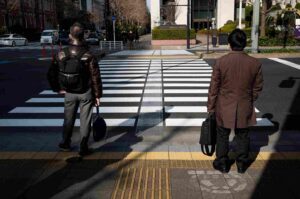
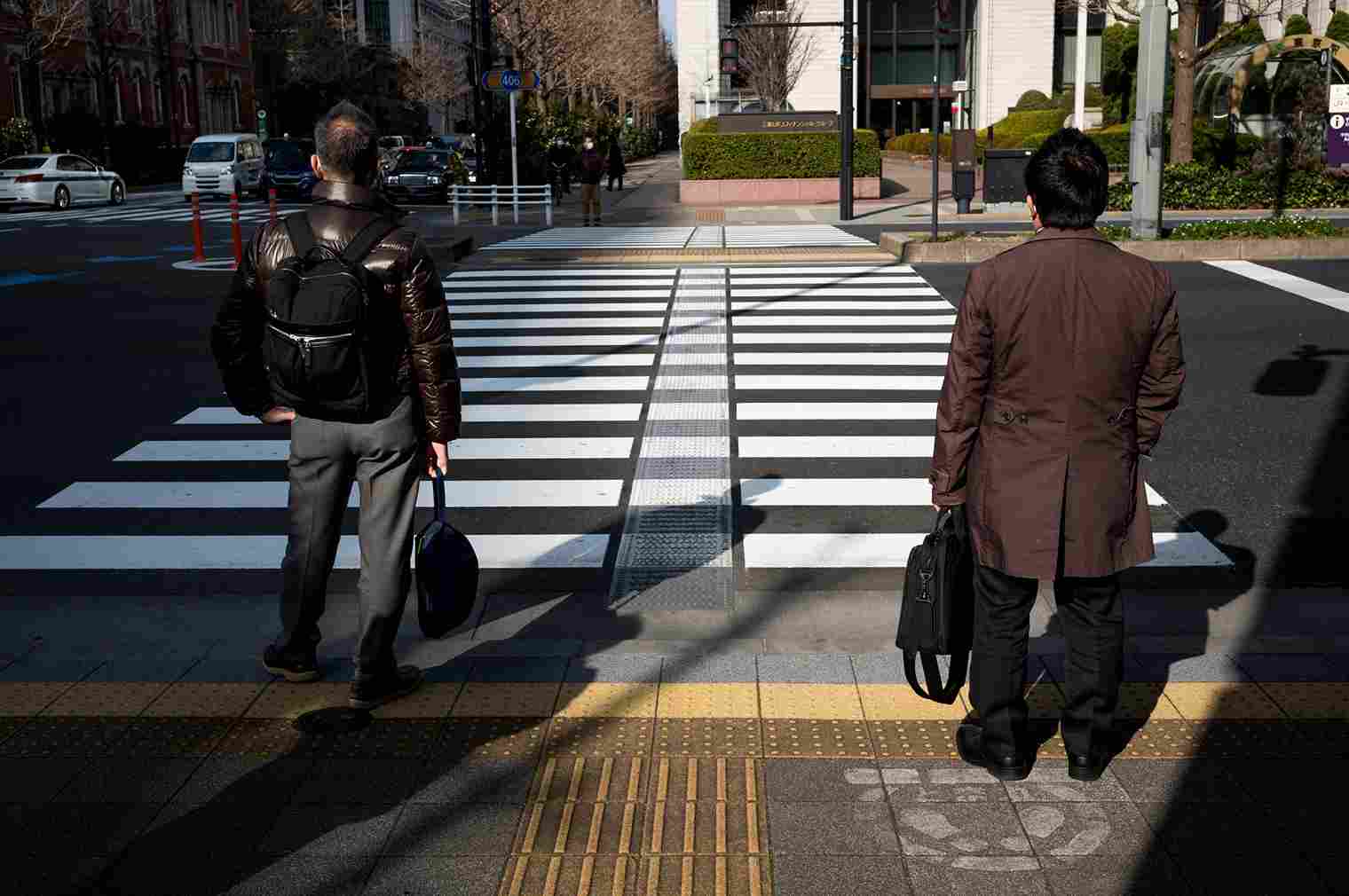

Crosswalks are intended to give pedestrians a safer place to cross the road, but accidents can still happen when drivers or pedestrians fail to follow traffic laws. Understanding Colorado’s crosswalk rules can help you make safer decisions and better understand your rights if you’re injured in a collision.
At 5280 Injury Law, we understand that a crosswalk accident can result in serious injuries, medical expenses, and uncertainty about who is responsible. If you’ve been injured while crossing the road, an experienced pedestrian accident lawyer can review the circumstances of your accident and help you understand your legal options.
Do Pedestrians Always Have the Right of Way in Colorado?
Pedestrians do not automatically have the right of way in every situation. Colorado law establishes circumstances in which drivers must yield to pedestrians, while pedestrians also have responsibilities when using the roadway.
Generally, drivers must yield to pedestrians who are lawfully crossing within a crosswalk. However, pedestrians must also obey applicable traffic signals and should not suddenly leave a curb or other place of safety and enter the path of a vehicle when it is too close to stop safely.
Determining who had the right of way after an accident requires looking at the specific circumstances, including traffic signals, vehicle speed, pedestrian behavior, and available evidence.
What Is Considered a Crosswalk in Colorado?
A crosswalk doesn’t always have to be marked with painted lines. Colorado law recognizes crosswalks at certain intersections even when no pavement markings are present. These are commonly referred to as unmarked crosswalks. Marked crosswalks, by contrast, are identified by visible pavement markings or other designated crossing indicators. Understanding whether a crosswalk existed at the location of an accident can be important when determining whether traffic laws were followed and who may be responsible.
What Are Common Causes of Crosswalk Accidents?
Crosswalk accidents can happen for many reasons, but driver negligence is a common factor. Examples include:
Failing to yield to a pedestrian
Distracted driving
Speeding
Running a red light or stop sign
Turning without checking for pedestrians
Driving while impaired
Pedestrian behavior can also become relevant when determining liability. For example, crossing against a traffic signal or unexpectedly entering traffic may affect how responsibility is assigned. Because Colorado follows comparative negligence principles, determining each party’s role in an accident can be important when pursuing compensation.
What Should You Do After a Crosswalk Accident?
If you’re injured in a crosswalk accident, your health should be the first priority. Seek medical attention and report the accident to law enforcement.
If you’re able to do so safely, you should also:
Take photographs of the accident scene and your injuries.
Obtain the driver’s insurance and contact information.
Collect contact information from witnesses.
Note nearby businesses or traffic cameras that may have recorded the accident.
Keep records of medical treatment and accident-related expenses.
Evidence can become especially important when the driver disputes what happened or when the right of way is unclear.
Who Can Be Held Liable for a Crosswalk Accident?
Liability depends on the facts of the accident. A driver may be responsible if they were speeding, distracted, failed to yield, or otherwise violated traffic laws. However, the driver may not always be the only potentially responsible party. In some cases, defective traffic signals, dangerous roadway conditions, or inadequate maintenance may contribute to an accident.
Depending on the circumstances, a government entity or another party may potentially share responsibility. An experienced crosswalk accident lawyer can investigate the accident, review available evidence, and determine which parties may be legally responsible.
How Can a Pedestrian Accident Lawyer Help?
Crosswalk accident claims can become complicated when the parties disagree about who had the right of way or whether traffic laws were followed. A pedestrian accident lawyer can help by investigating the accident, collecting evidence, communicating with insurance companies, and evaluating the losses caused by your injuries.
At 5280 Injury Law, our team can also help you understand how Colorado’s laws may apply to your circumstances and what options may be available for pursuing compensation.
Protect Your Rights After a Crosswalk Accident
A crosswalk can provide pedestrians with an important layer of protection, but understanding your rights after an accident requires more than simply knowing who had the right of way. Traffic signals, witness statements, photographs, medical records, and other evidence may all play a role in determining liability.
At 5280 Injury Law, we’re committed to helping injured pedestrians navigate Colorado’s legal system, understand their rights, and pursue the compensation they may be entitled to receive after a crosswalk accident. Contact us to discuss your case and learn more about your legal options.
Frequently Asked Questions (FAQs)
Do drivers always have to stop for pedestrians in a crosswalk?
Drivers generally have a duty to yield to pedestrians who are lawfully crossing in a crosswalk. However, the specific circumstances of the accident, including traffic signals and the pedestrian’s actions, can affect who is considered responsible.
Can I recover compensation if I was hit in a crosswalk?
If another party’s negligence caused your injuries, you may be able to pursue compensation for medical expenses, lost wages, pain and suffering, and other damages.
What if I was hit in an unmarked crosswalk?
An unmarked crosswalk may still exist at an intersection under Colorado law. Whether it applied to your accident will depend on the location and circumstances of the collision.
What evidence can help prove a crosswalk accident claim?
Police reports, photographs, witness statements, surveillance footage, traffic camera footage, medical records, and information about traffic signals can all help establish what happened.
When should I contact a pedestrian accident lawyer?
It’s generally best to seek legal guidance as soon as possible after a serious pedestrian accident. Early action can help preserve evidence, address insurance issues, and protect your ability to pursue a claim.