Rear-end collisions are among the most common types of car accidents. They can happen at intersections, stoplights, busy highways, parking lots, or when traffic suddenly slows down. In many rear-end crashes, the driver who strikes the vehicle in front may be held responsible because drivers are expected to maintain enough distance and control to respond to traffic conditions. However, fault is not automatically determined simply because one vehicle hit another from behind.
The circumstances of the collision, available evidence, traffic conditions, and actions of each driver can all matter when determining liability. If you were injured in a rear-end collision, a car accident attorney can help you understand how these factors may affect your claim.
1. Why the Rear Driver Is Often Considered Responsible
A rear driver may be responsible when the collision happened because they failed to maintain a safe following distance, were distracted, were speeding, or failed to stop in time. For example, a driver who is looking at a phone may not notice that traffic has stopped until it is too late to brake. Similarly, following another vehicle too closely can leave insufficient time to react when the vehicle ahead slows down.
However, responsibility should be based on the facts and evidence rather than assumed solely from the position of the vehicles after the crash.
2. The Front Driver May Also Be Relevant to the Claim
Although rear drivers are frequently involved in rear-end collisions, the actions of the front driver may also need to be examined.
For example, a front driver may potentially contribute to a crash if they:
Suddenly reverse into another vehicle
Stop unexpectedly under circumstances that create a hazard
Change lanes improperly
Drive without functioning brake lights
Make an unsafe maneuver
Otherwise violate applicable traffic rules
The specific facts determine whether the front driver or another party may share responsibility.
3. Following Distance Can Be Important Evidence
The distance between vehicles before a collision can help explain how the crash occurred. A driver who follows too closely may have less time to react when traffic slows or stops. Other factors, such as road conditions, traffic speed, visibility, and the driver’s attention, can also affect the amount of stopping distance needed.
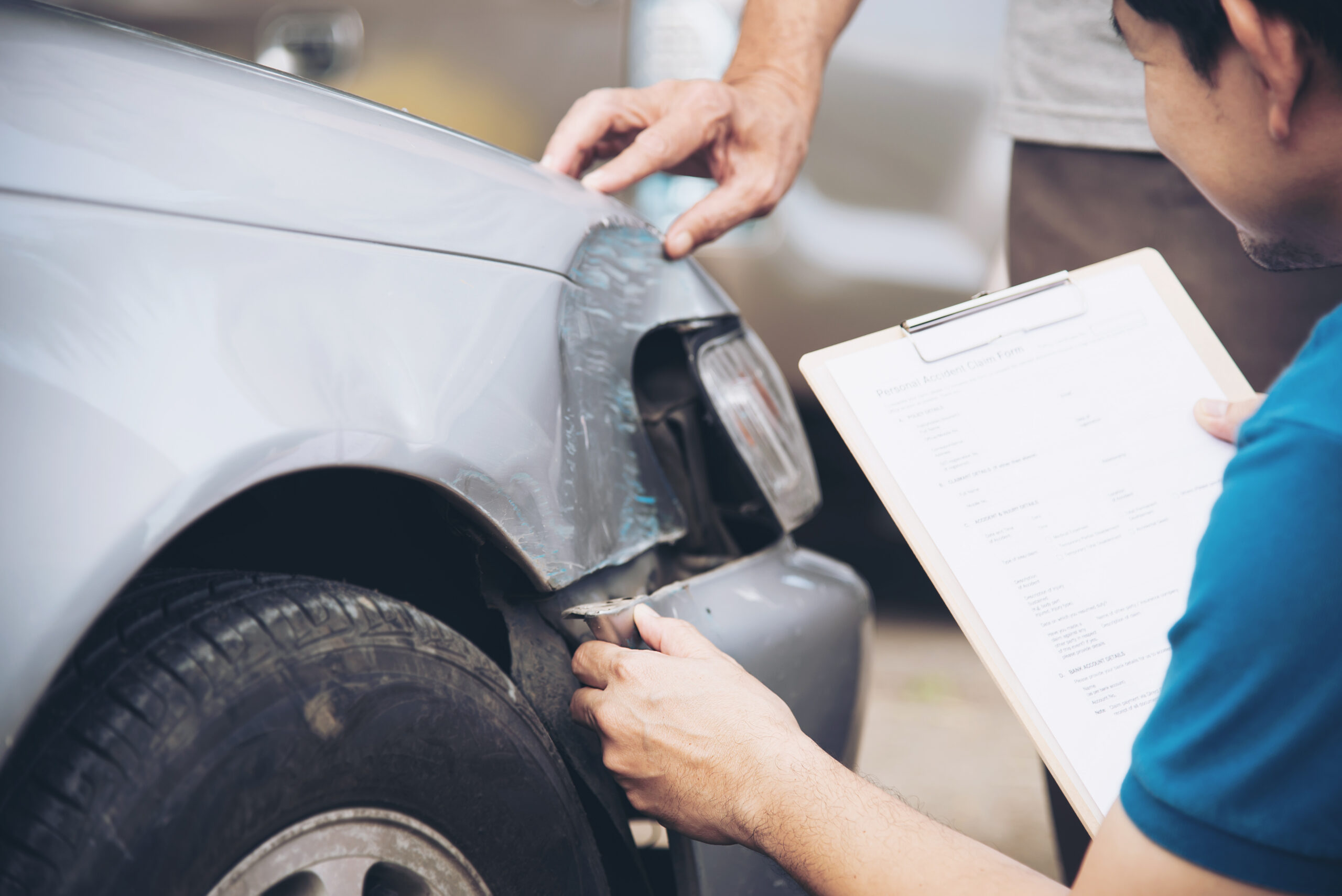
Evidence such as vehicle damage, photographs, witness statements, traffic-camera footage, and accident reports may help establish what happened.
4. Distracted Driving Can Cause Rear-End Crashes
Distracted driving is another common factor in rear-end collisions. A driver who is texting, adjusting a navigation system, looking away from the road, or otherwise distracted may fail to notice that traffic ahead has stopped.
If there is evidence that distraction contributed to the collision, it may be relevant when determining liability. A car accident lawyer can review available evidence to help determine whether distracted driving or another form of negligent conduct may have contributed to the crash.
5. Sudden Stops Do Not Automatically Determine Fault
Drivers sometimes assume that a vehicle that stops suddenly is automatically responsible for the collision. That is not necessarily the case. Traffic can stop unexpectedly because of congestion, pedestrians, road hazards, traffic signals, emergency vehicles, or another collision.
Whether a sudden stop contributed to a crash depends on the circumstances. The actions of both drivers and the surrounding traffic conditions may need to be considered.
6. Weather and Road Conditions Can Affect Liability
Rain, snow, ice, poor visibility, and other road conditions can affect how quickly a vehicle can stop. Drivers are generally expected to operate their vehicles with appropriate care for the conditions. A driver who continues at an unsafe speed despite slippery roads may have difficulty avoiding a collision when traffic slows.
When weather or road conditions are involved, photographs, accident reports, witness accounts, and other evidence may help establish the circumstances of the crash.
7. Evidence Can Help Establish Who Was at Fault
Determining fault in a rear-end collision often requires more than simply looking at the damage to the vehicles.
Potentially useful evidence can include:
Police reports
Photos and videos from the accident scene
Vehicle damage
Dashcam footage
Traffic or surveillance-camera footage
Witness statements
Cell phone or other relevant records
Road and weather conditions
Statements made by the drivers
Preserving evidence soon after the accident can be important, particularly when the parties have different accounts of what happened.
8. Injuries Can Occur Even in Low-Speed Rear-End Collisions
A rear-end collision does not need to involve high speeds to cause injuries. Occupants may experience whiplash, neck and back injuries, shoulder injuries, headaches, or other conditions after a sudden impact. Some symptoms may not become noticeable immediately after the crash.
If you experience pain or other symptoms following a collision, seek appropriate medical attention and follow your healthcare provider’s recommendations. Medical records can also help document the connection between the accident and your injuries.
9. Colorado's Comparative Negligence Rules May Matter
Colorado uses comparative negligence rules when determining how a person’s own negligence affects recovery in a civil case. The law provides for damages to be reduced according to the claimant’s degree of negligence, with restrictions when the claimant’s negligence reaches the statutory threshold.
This means that determining responsibility can become more complicated when both drivers are alleged to have contributed to a collision. For example, if one driver is accused of following too closely while the other driver is accused of making an unsafe maneuver, the evidence may need to be examined to determine how responsibility should be allocated.
10. Insurance Companies May Investigate Fault
After a rear-end collision, insurance companies may conduct their own investigation before deciding how to handle a claim. An adjuster may review the police report, photographs, vehicle damage, medical records, witness statements, and other information.
You should provide accurate information, but avoid guessing about details you do not remember or making statements that minimize your injuries. If the insurance company disputes liability or offers a settlement you do not understand, speaking with a rear-end accident lawyer may help you understand your options.
When Should You Contact a Car Accident Attorney?
You may want to speak with a car accident attorney if you suffered significant injuries, the other driver disputes responsibility, multiple parties may be involved, or the insurance company is questioning your claim.
Legal guidance can also be useful when you have substantial medical expenses, lost income, ongoing treatment, or other losses related to the collision. An attorney can review the available evidence and explain how the facts of your accident may affect your potential claim.
Protecting Your Rear-End Collision Claim
Being struck from behind does not automatically answer every question about fault. The circumstances leading up to the collision, the actions of each driver, road conditions, and available evidence can all be relevant.
After a rear-end collision, seek medical attention when appropriate, document the accident scene, preserve relevant evidence, keep records of your losses, and be careful when communicating with insurance companies. If you were injured in a rear-end collision, 5280 Injury Law can help you understand your legal options and the steps that may be available based on the circumstances of your case.
Frequently Asked Questions (FAQs)
Is the rear driver always at fault in a rear-end collision?
No. The rear driver is often investigated because they struck the vehicle ahead, but fault depends on the specific circumstances and available evidence.
What evidence can prove fault in a rear-end accident?
Evidence may include police reports, photographs, vehicle damage, dashcam or surveillance footage, witness statements, traffic conditions, and other information showing how the collision occurred.
Can the front driver be at fault in a rear-end collision?
Yes. Depending on the circumstances, the front driver may potentially contribute to a collision through an unsafe maneuver, sudden reversal, improper lane change, or another negligent action.
Can I recover compensation after a rear-end collision?
You may be able to pursue compensation if another party’s negligence caused your injuries and losses. The amount and availability of compensation depend on the facts of the accident and applicable law.
When should I contact a rear-end accident lawyer?
You can contact a rear-end accident lawyer soon after the collision, particularly if you suffered significant injuries, fault is disputed, or the insurance company is questioning or denying your claim.