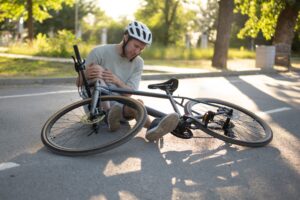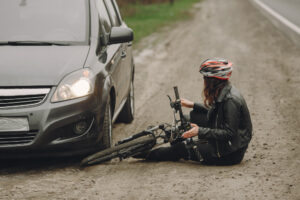
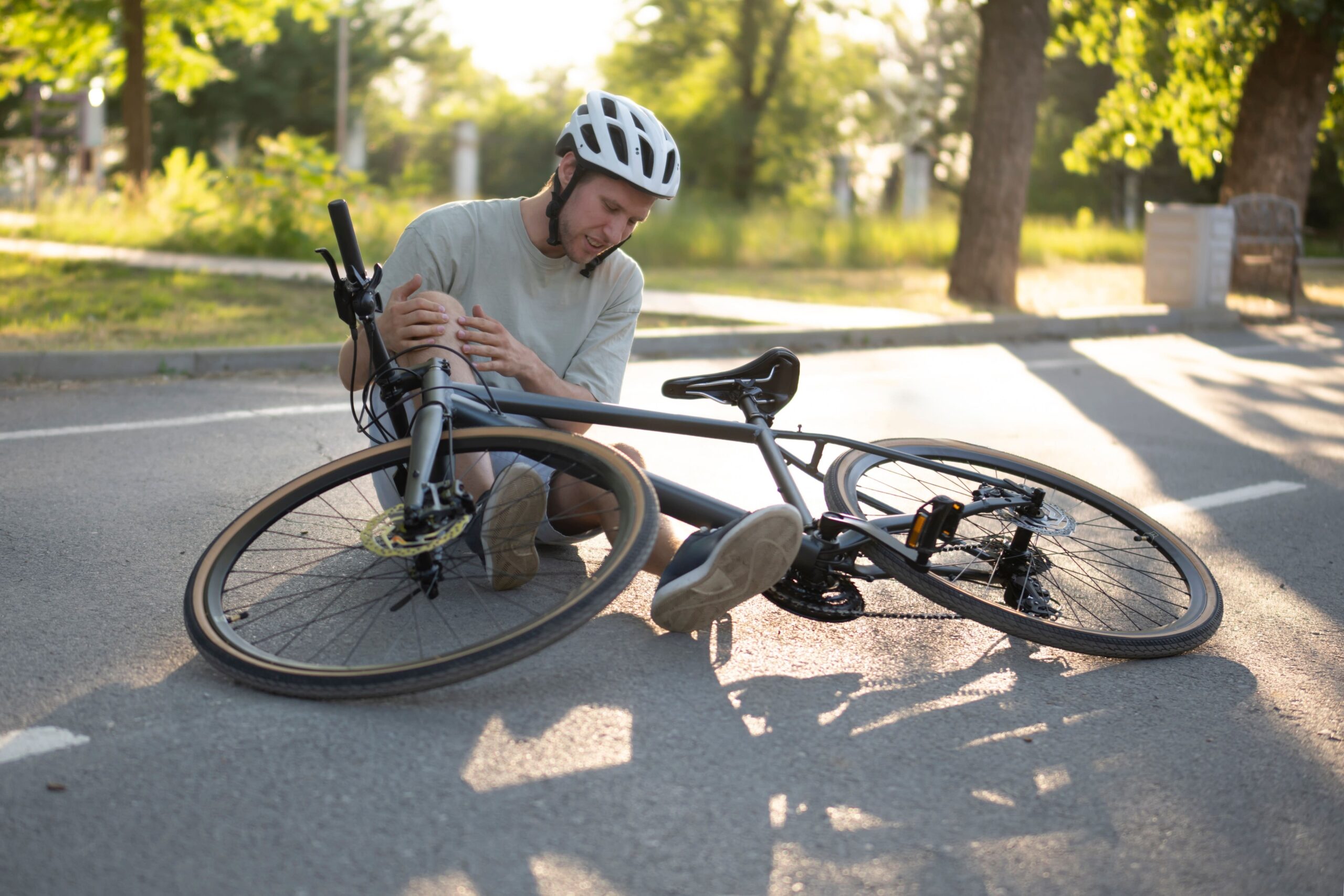
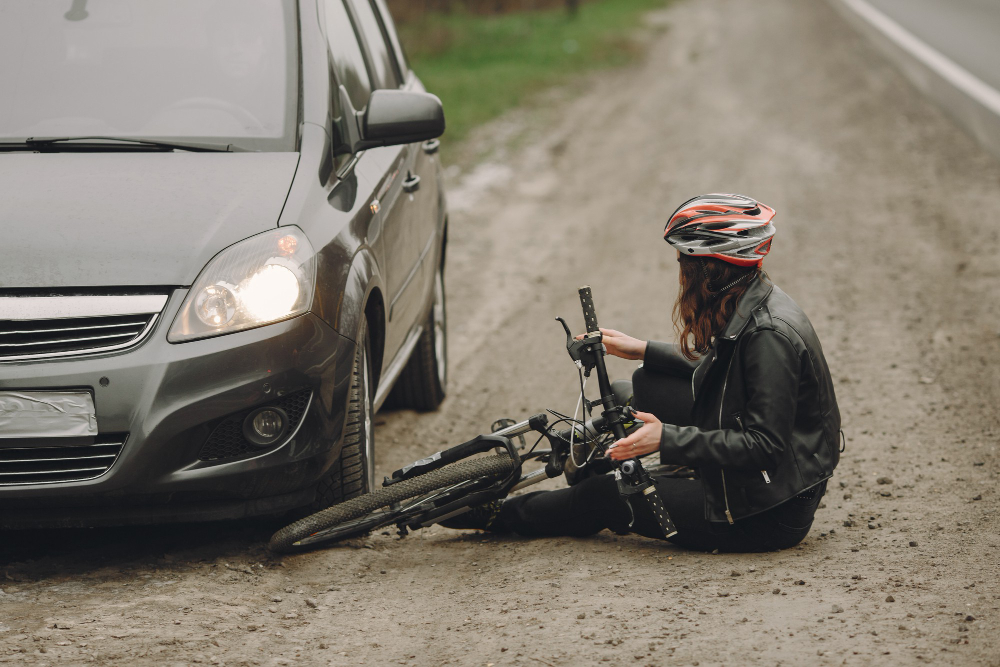
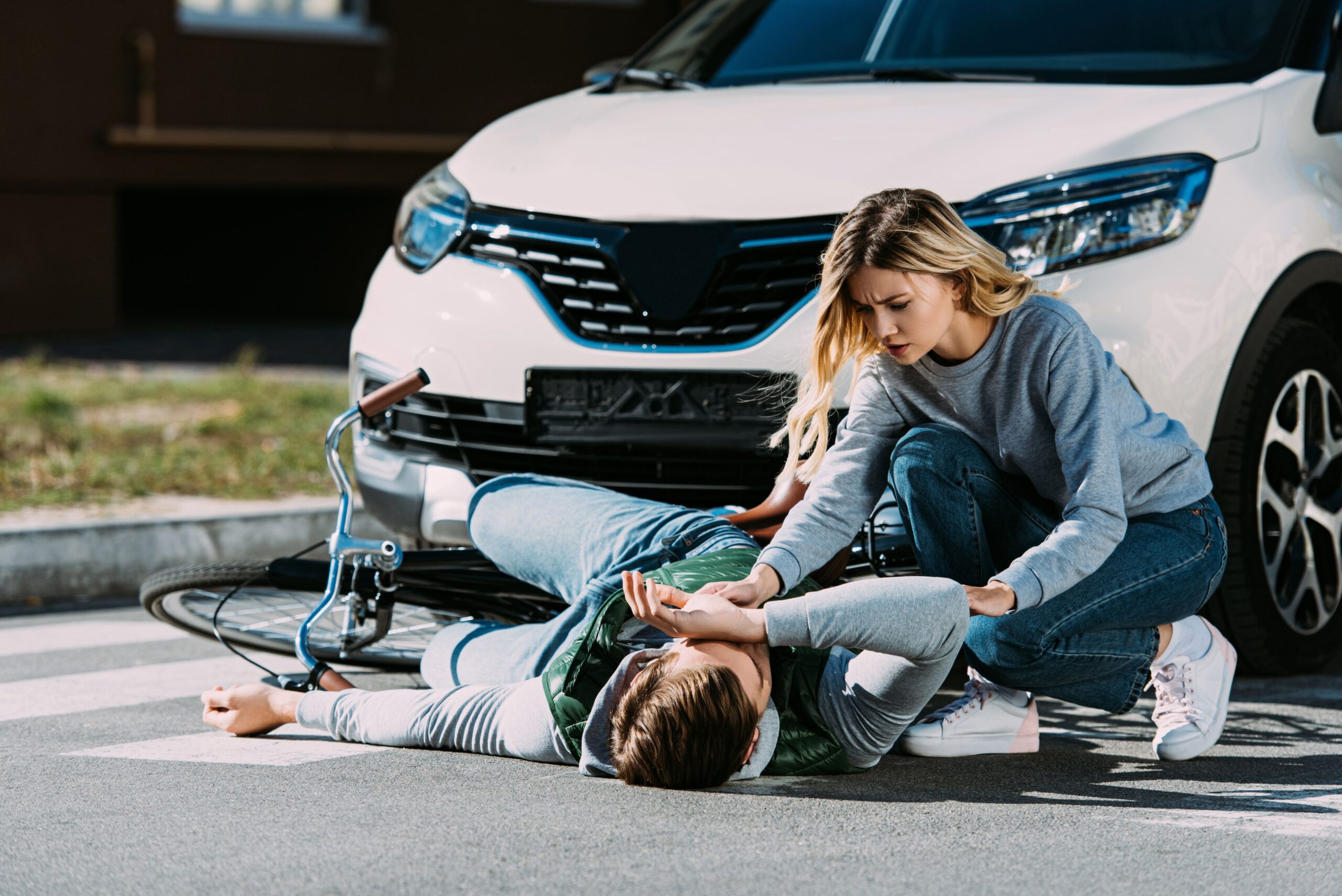
Bicycle accidents can happen in many ways, from a driver failing to notice a cyclist at an intersection to unsafe passing, distracted driving, or poor road conditions. Because bicyclists have less physical protection than people inside motor vehicles, even a relatively low-speed collision can result in significant injuries.
The cause of a bicycle accident can also affect how an injury claim is investigated. Insurance companies may examine the actions of the driver, cyclist, and other potentially responsible parties before determining how they will handle a claim.
Understanding the common causes of bicycle accidents can help injured cyclists recognize what evidence may be important. A bicycle accident lawyer can review the circumstances of a crash and explain what legal options may be available based on the specific facts.
1. Distracted Driving
Distracted driving is one of the situations that can put bicyclists at serious risk. A driver looking at a phone, adjusting a navigation system, eating, or focusing on something inside the vehicle may fail to notice a cyclist. This can be particularly dangerous at intersections, bike lanes, driveways, and areas where cyclists and vehicles share the same roadway.
If distraction contributed to an accident, evidence such as witness statements, traffic-camera footage, dashcam video, or phone-related evidence may become relevant when determining how the crash occurred.
2. Failure to Yield to Bicyclists
Drivers may cause bicycle accidents by failing to yield when a cyclist has the right-of-way.
This can happen when a driver:
Turns across a cyclist’s path
Enters a roadway from a driveway
Makes a turn at an intersection
Enters a bike lane
Pulls out of a parking area
Fails to notice a cyclist approaching from another direction
Colorado law generally gives bicyclists the same rights and duties applicable to drivers, subject to bicycle-specific rules. CDOT also advises drivers to yield to bicyclists as they would to motorists. When a failure to yield causes a crash, traffic signals, road markings, photographs, and witness accounts may help establish what happened.
3. Unsafe Passing
A driver passing too closely can cause a cyclist to lose control or collide with the vehicle. Colorado’s Three Foot Law requires drivers and motorcyclists to give bicyclists and e-bike riders at least three feet of space when passing. If there is not enough room to maintain that distance safely, drivers must slow down and remain behind the bicyclist until it is safe to pass.
An unsafe passing maneuver may therefore become an important issue in an injury claim. Evidence showing the position of the bicycle and vehicle, road width, traffic conditions, and damage can help establish how the collision occurred.
4. Speeding
Speeding can make bicycle crashes more dangerous because a driver has less time to recognize a cyclist and react to changing conditions. CDOT notes that increased speed reduces the time available to respond to hazards and increases braking distance. Higher speeds can also increase the severity of a collision.
If excessive speed is suspected, investigators may consider skid marks, vehicle damage, roadway conditions, surveillance footage, witness statements, and other evidence.
5. Turning Into a Cyclist's Path
Turning vehicles are another common source of bicycle collisions. A driver may fail to see a cyclist while making a right or left turn, particularly at an intersection or driveway. CDOT specifically advises drivers to watch for bicyclists when turning and to check areas where cyclists may be approaching.
These crashes can raise questions about visibility, right-of-way, traffic signals, lane positioning, and whether the driver checked for approaching cyclists before turning.
6. Opening a Car Door Into a Cyclist
A cyclist can also be injured when a parked driver or passenger opens a vehicle door into the cyclist’s path. This type of collision may happen when a vehicle is parked next to a bicycle lane or along the side of a roadway. The cyclist may have little time to avoid the suddenly opened door.
Photographs of the vehicle’s location, bicycle damage, the roadway, and any available surveillance footage can be useful when investigating this type of accident.
7. Driving or Parking in a Bicycle Lane
Vehicles entering, stopping, or parking in areas designated for bicycle travel can create dangerous conditions. A cyclist may be forced to move into a traffic lane to avoid an obstruction, potentially creating a collision risk.
Colorado’s traffic laws provide specific rules concerning bicycles and bicycle lanes, while local regulations can also apply in certain areas. Evidence of the bicycle lane, vehicle position, signage, road markings, and surrounding traffic may help establish whether the obstruction contributed to the crash.
8. Poor Road Conditions
Not every bicycle accident involves a collision with a motor vehicle. Road conditions can also contribute to crashes.
Examples may include:
Potholes
Uneven pavement
Road debris
Damaged surfaces
Poorly maintained shoulders
Obstructions in bicycle lanes
However, determining whether a government entity or another party may be legally responsible for a roadway condition can involve additional requirements and limitations. The specific circumstances should be reviewed before making a liability determination.
9. Poor Visibility and Nighttime Riding
Limited visibility can increase the risk of a driver failing to notice a cyclist. Nighttime conditions, poor weather, inadequate lighting, and obstructed views can all affect how easily road users can see one another.
Colorado’s Department of Transportation recommends that bicyclists use lights and reflective clothing at night to make themselves more visible to drivers and pedestrians. If visibility is disputed after an accident, photographs, lighting conditions, road design, witness accounts, and available video footage may become relevant.
10. Unsafe Bicycle or Equipment Conditions
A bicycle accident can sometimes involve a mechanical problem rather than another road user’s actions. A damaged brake, defective component, tire failure, or other equipment issue may contribute to a cyclist losing control.
For this reason, an injured cyclist should avoid immediately discarding or repairing a damaged bicycle if it may be relevant to a potential claim. Photographs and records concerning maintenance, repairs, or the bicycle’s condition may help preserve evidence.
How the Cause of the Accident Can Affect an Injury Claim
The cause of the accident can influence which evidence matters and which parties may potentially be responsible. For example, a distracted-driving collision may require different evidence from a crash caused by a defective bicycle component or a hazardous roadway.
An insurance company may investigate:
How the accident happened
Whether traffic laws were followed
Whether the driver or cyclist had the right-of-way
Whether another party contributed to the crash
The extent of the cyclist’s injuries
Medical treatment and related expenses
Lost income or other financial losses
Available insurance coverage
The facts and evidence surrounding the accident are therefore important when evaluating a claim.
What Evidence Should You Preserve After a Bicycle Accident?
If you are physically able and it is safe to do so, documenting the accident scene can help preserve important information.
Consider keeping:
Photos and videos of the scene
Photos of the bicycle and vehicle damage
Contact information for witnesses
Police or crash reports
Medical records and bills
Information about lost wages
Insurance correspondence
The damaged bicycle and relevant equipment
Available dashcam or surveillance footage
Do not assume that evidence will remain available indefinitely. Traffic or security footage may be overwritten, and accident scenes can change.
Can a Cyclist Be Partly Responsible?
Yes. A bicycle accident claim does not automatically place responsibility on the motorist. Colorado law generally gives bicyclists the rights and duties applicable to drivers, subject to specific bicycle regulations.
If the actions of both the cyclist and another party contributed to the accident, Colorado’s comparative negligence rules may affect the amount that can be recovered. The specific allocation of fault depends on the facts and applicable law.
How a Bike Accident Lawyer Can Help
A bike accident lawyer can help investigate the circumstances surrounding a crash and identify evidence that may be relevant to liability and damages. Depending on the case, this may involve reviewing accident reports, photographs, medical records, witness statements, video footage, insurance communications, and other documentation.
Legal guidance can also be useful when an insurance company disputes responsibility or argues that the cyclist contributed to the accident.
Protecting Your Bicycle Accident Claim
The cause of a bicycle accident can have a significant effect on how an injury claim is investigated. Whether the crash involved distracted driving, unsafe passing, failure to yield, speeding, poor visibility, road conditions, or another factor, identifying what happened and preserving supporting evidence can be important.
If you were injured in a bicycle accident in Colorado, 5280 Injury Law can review the circumstances of your accident and help you understand your potential legal options.
Frequently Asked Questions (FAQs)
What is the most common cause of bicycle accidents?
Bicycle accidents can result from several factors, including distracted driving, failure to yield, unsafe passing, speeding, turning errors, road hazards, and poor visibility.
Can distracted driving affect a bicycle accident claim?
Yes. If evidence shows that a driver’s distraction contributed to the crash, it may be relevant when determining liability and evaluating an injury claim.
Can a cyclist be held partly responsible for an accident?
Yes. Cyclists generally have traffic-related rights and duties under Colorado law, so their actions may be considered when determining responsibility for a crash.
What evidence can help with a bicycle accident claim?
Photos, videos, witness information, police reports, medical records, bicycle and vehicle damage, traffic-camera footage, and other documentation may help establish how the accident occurred.
Should I speak with a bicycle accident lawyer after a crash?
Speaking with a bicycle accident lawyer may be helpful if you suffered significant injuries, liability is disputed, an insurance company is questioning your claim, or you have substantial medical expenses or other losses.