
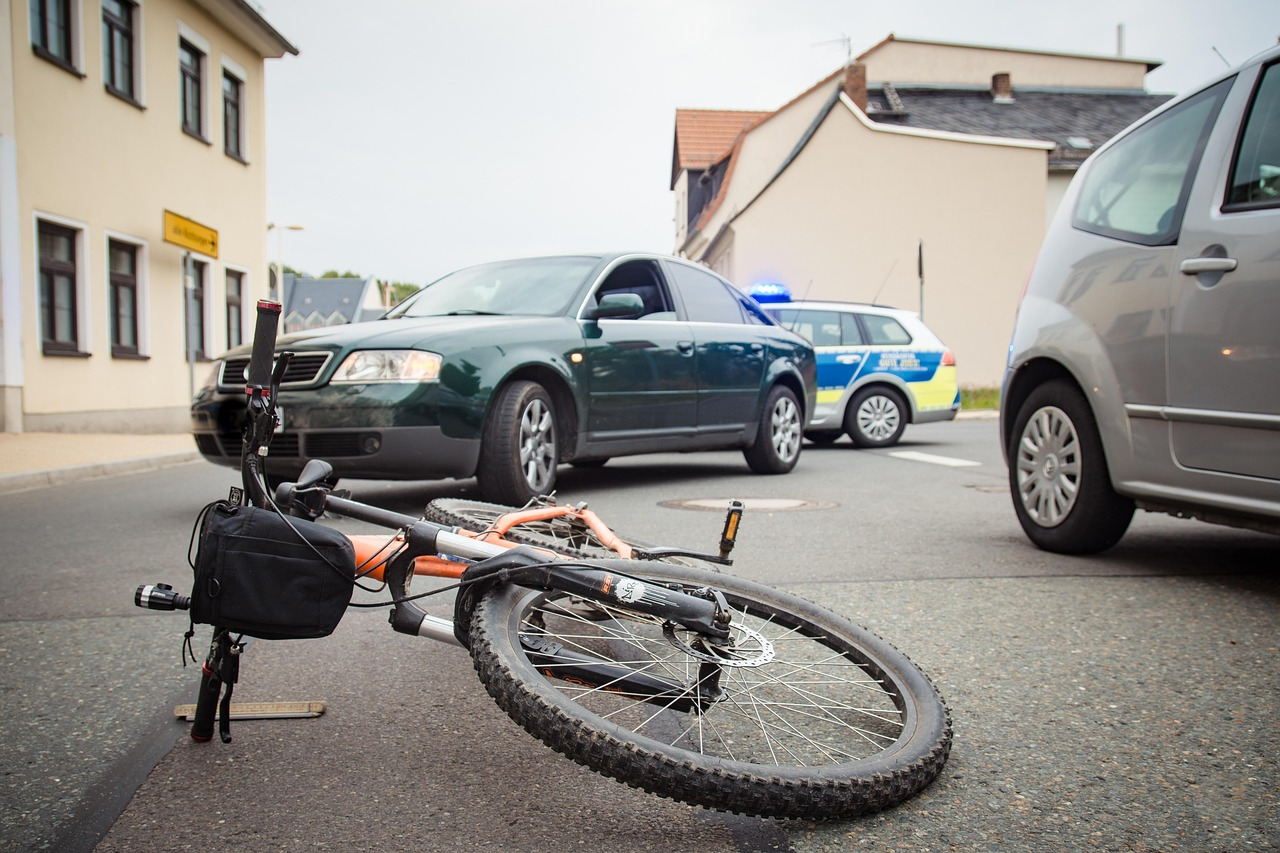

Bicycle accidents can result in serious injuries, especially when a cyclist is struck by a motor vehicle. Determining who is liable after a crash often requires looking closely at what each person was doing before the accident and whether someone failed to follow traffic rules or otherwise acted negligently.
In Colorado, bicyclists generally have the same rights and duties as drivers of other vehicles, subject to rules that specifically apply to bicycles. This means liability cannot automatically be placed on either the cyclist or the motorist simply because of the type of vehicle involved. If you were injured in a bicycle accident, a bicycle accident attorney can review the available evidence and help determine who may be responsible for your injuries and losses.
1. The Driver May Be Liable for Causing the Crash
Motorists may be liable when their negligent driving causes a bicycle accident.
Examples can include:
Failing to yield to a bicyclist
Distracted driving
Speeding
Unsafe lane changes
Making an unsafe turn
Following too closely
Running a traffic signal
Failing to check for cyclists before opening a vehicle door
The specific facts of the crash determine whether a driver’s conduct contributed to the accident.
2. Drivers Must Pay Attention to Bicycle Lanes
Colorado law specifically requires drivers to yield the right-of-way to bicyclists and other authorized users in a bicycle lane. A violation that causes a crash or bodily injury can also lead to a careless-driving offense.
This can become important when a cyclist is struck while traveling in a designated bicycle lane. Evidence such as photographs, traffic-camera footage, witness statements, and vehicle damage may help establish what happened.
3. A Driver Making a Turn May Be Responsible
Turning vehicles can create significant risks for cyclists, particularly at intersections and when a driver turns across a cyclist’s path. A driver may be responsible when they fail to notice a cyclist, fail to yield when required, or make a turn without ensuring that the movement can be completed safely.
Evidence from the intersection, including traffic signals, lane markings, surveillance footage, and witness statements, may help clarify who had the right-of-way.
4. A Cyclist Can Also Be Found Partly Responsible
Liability is not automatically assigned to the motorist in every bicycle accident. Colorado law gives bicyclists many of the same rights and duties that apply to drivers, meaning cyclists must also follow applicable traffic rules.
For example, questions about a cyclist’s conduct may arise if they:
Disregarded a traffic signal
Failed to yield when required
Rode in a manner prohibited by applicable rules
Made an unsafe turn
Failed to take reasonable precautions around a known hazard
Whether a cyclist’s conduct contributed to the accident depends on the facts and available evidence.
5. Multiple Parties May Contribute to a Bicycle Accident
Some bicycle accidents involve more than one potentially responsible party. For example, a cyclist could be struck by a driver after another vehicle creates a dangerous situation. In other cases, roadway conditions or another person’s actions may also contribute to the crash.
When several factors are involved, determining liability may require examining the conduct of each person and how it contributed to the accident.
6. Road Conditions Can Sometimes Be Relevant
Poor road conditions may also be relevant to a bicycle accident claim. Potholes, debris, damaged pavement, inadequate markings, or other roadway conditions may contribute to a cyclist losing control or being forced into the path of traffic.
However, claims involving public roads or government entities can involve additional legal requirements and limitations. The specific circumstances need to be reviewed before determining whether another party may be legally responsible.
7. Evidence Can Help Establish Who Was Liable
Determining liability often depends on the evidence available after the accident.
Useful evidence may include:
Police or crash reports
Photos of the accident scene
Bicycle and vehicle damage
Witness statements
Traffic-camera footage
Dashcam recordings
Surveillance video
Traffic signs and signals
Medical records
Statements made by the people involved
Photograph the scene and preserve available evidence as soon as possible, provided it is safe to do so.
8. Medical Records Can Support an Injury Claim
Liability is only one part of a bicycle accident claim. You may also need to document the injuries and losses caused by the accident. Medical records can show the nature of your injuries, treatment received, and the ongoing effects of the crash.
Keep copies of:
Emergency treatment records
Diagnostic tests
Doctor’s records
Prescription information
Physical therapy records
Medical bills
Follow-up treatment documentation
You should also keep records of other losses, such as lost income and bicycle repair or replacement costs.
9. Insurance Companies May Dispute Liability
After a bicycle accident involving a motor vehicle, an insurance company may investigate how the crash occurred. The insurer may review the police report, photographs, witness statements, vehicle damage, medical records, and other available evidence.
If the insurer argues that the cyclist was responsible or partly responsible, do not assume that the allegation automatically determines the outcome of the claim. The available evidence should be evaluated in the context of the accident.
10. Colorado's Comparative Negligence Rules May Matter
A bicycle accident claim can become more complicated when both the cyclist and another party may have contributed to the accident.
Colorado’s comparative negligence rules can affect how damages are handled when an injured person is also found to have been negligent. The amount recoverable may be reduced according to the person’s percentage of fault, subject to Colorado’s statutory rules. This makes evidence particularly important when liability is disputed.
When Should You Contact a Bicycle Accident Lawyer?
You may want to speak with a bicycle accident lawyer if you suffered significant injuries, the driver disputes responsibility, an insurance company is questioning your claim, or the accident resulted in substantial medical expenses or lost income.
A lawyer can review the available evidence, investigate the circumstances of the crash, communicate with insurance companies, and explain the legal options that may be available.
Protecting Your Bicycle Accident Claim
Determining who is liable in a bicycle accident requires more than simply identifying which vehicle struck the cyclist. The actions of the driver, cyclist, and potentially other parties may need to be examined alongside the physical evidence and applicable Colorado traffic rules.
If you were injured in a bicycle accident, 5280 Injury Law can review the circumstances of your crash and help you understand your options for pursuing a claim.
Frequently Asked Questions (FAQs)
Who is usually liable in a bicycle accident?
Liability depends on the facts of the accident. A driver, cyclist, or another party may be responsible when their negligence contributed to the crash.
Can a cyclist be partly at fault for a bicycle accident?
Yes. Colorado law gives bicyclists many of the same rights and duties as drivers, so a cyclist’s conduct may be considered when determining responsibility for an accident.
What evidence can prove liability in a bicycle accident?
Police reports, photographs, witness statements, traffic footage, surveillance video, vehicle and bicycle damage, and other evidence can help establish how the accident occurred.
Can a driver be liable for hitting a cyclist in a bike lane?
Yes. Colorado law requires drivers to yield the right-of-way to bicyclists in a bicycle lane, and violations that cause crashes or bodily injuries can have additional consequences.
When should I contact a bicycle accident attorney?
Consider contacting a bicycle accident attorney when you have significant injuries, disputed liability, substantial financial losses, or difficulties dealing with an insurance company.