
A bicycle accident can happen in seconds, but the resulting injuries, medical treatment, and insurance issues may continue for months. Knowing what to do immediately after a crash can help protect your health and preserve important evidence for a potential claim. Colorado law generally gives bicyclists many of the same rights and duties that apply to drivers of other vehicles, while also establishing rules specific to bicycle operation.
If you were injured in a bicycle accident, taking the right steps after the crash can make it easier to document what happened and address questions about fault and compensation. A bicycle accident lawyer can also help you understand your options when another person may be responsible for your injuries.
1. Move to a Safe Location if Possible
Your immediate safety should come first after a bicycle accident. If you can move without worsening your injuries, get yourself and your bicycle away from moving traffic or other immediate hazards.
If you have serious injuries or cannot safely move, wait for emergency responders rather than attempting to move unnecessarily. Once you are in a safe position, assess whether you or anyone else involved needs immediate medical assistance.
2. Call 911 and Report the Accident
If the accident involves significant injuries, a motor vehicle, or other circumstances requiring law enforcement, contact 911. A police or crash report can provide an important record of the incident. Colorado law also requires law enforcement agencies to complete a report upon request concerning an injury or death incident involving a bicycle, even when a motor vehicle is not involved.
Provide accurate information to responding officers and avoid guessing about details you do not remember.
3. Get Medical Attention
Even if your injuries initially appear minor, consider getting evaluated by a medical professional after a bicycle accident. Cyclists have little physical protection compared with occupants of enclosed vehicles, and a collision can result in injuries such as:
Head and brain injuries
Broken bones
Spinal injuries
Soft-tissue injuries
Road rash
Internal injuries
Joint and ligament injuries
Medical records can also help document the connection between the accident and your injuries.
Follow your healthcare provider’s recommendations and keep copies of medical records, bills, prescriptions, and other treatment documentation.
4. Document the Accident Scene
If your condition allows and it is safe to do so, take photographs and videos of the accident scene.
Try to document:
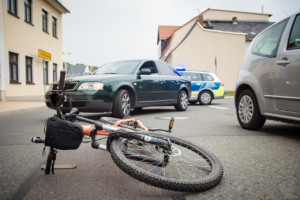
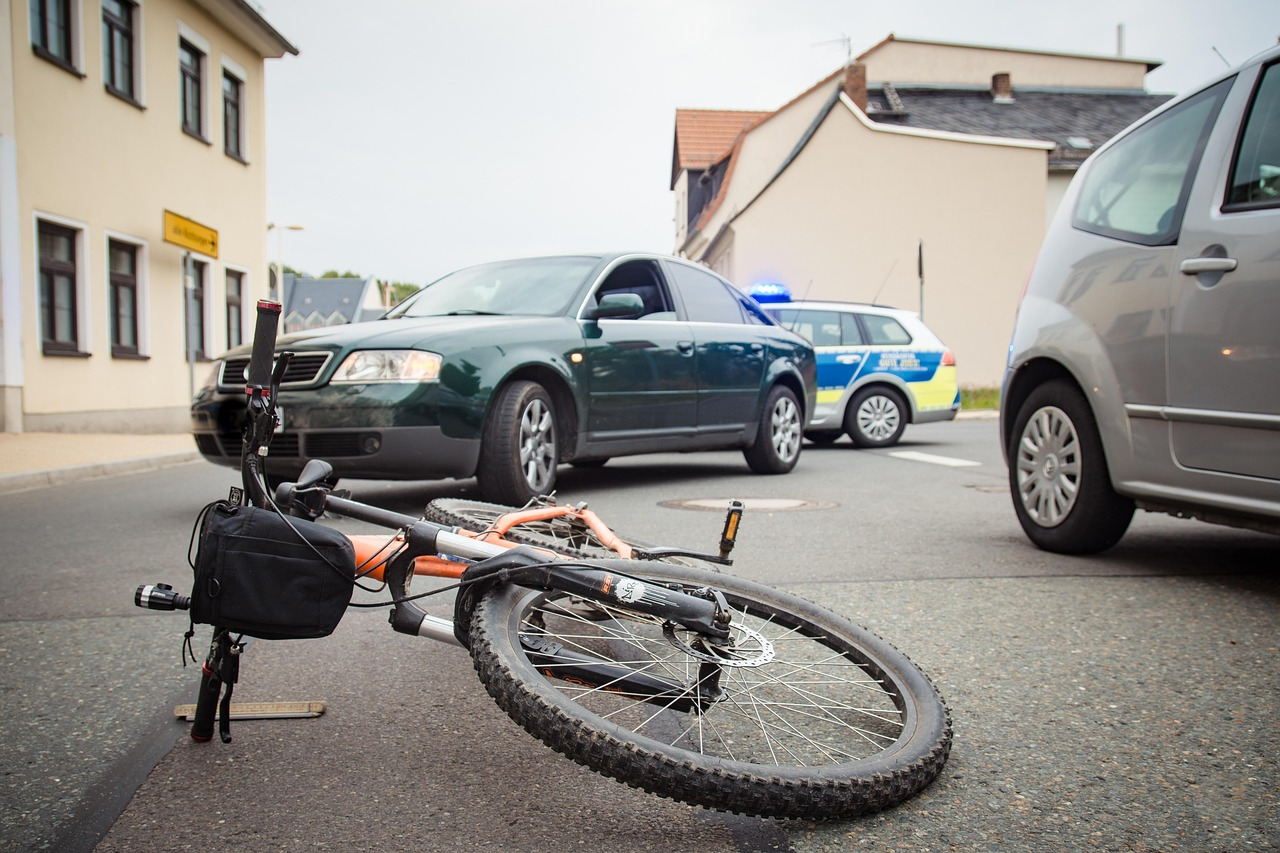
Damage to your bicycle
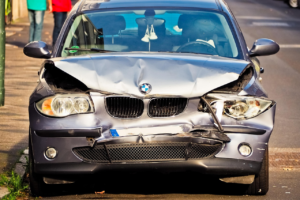
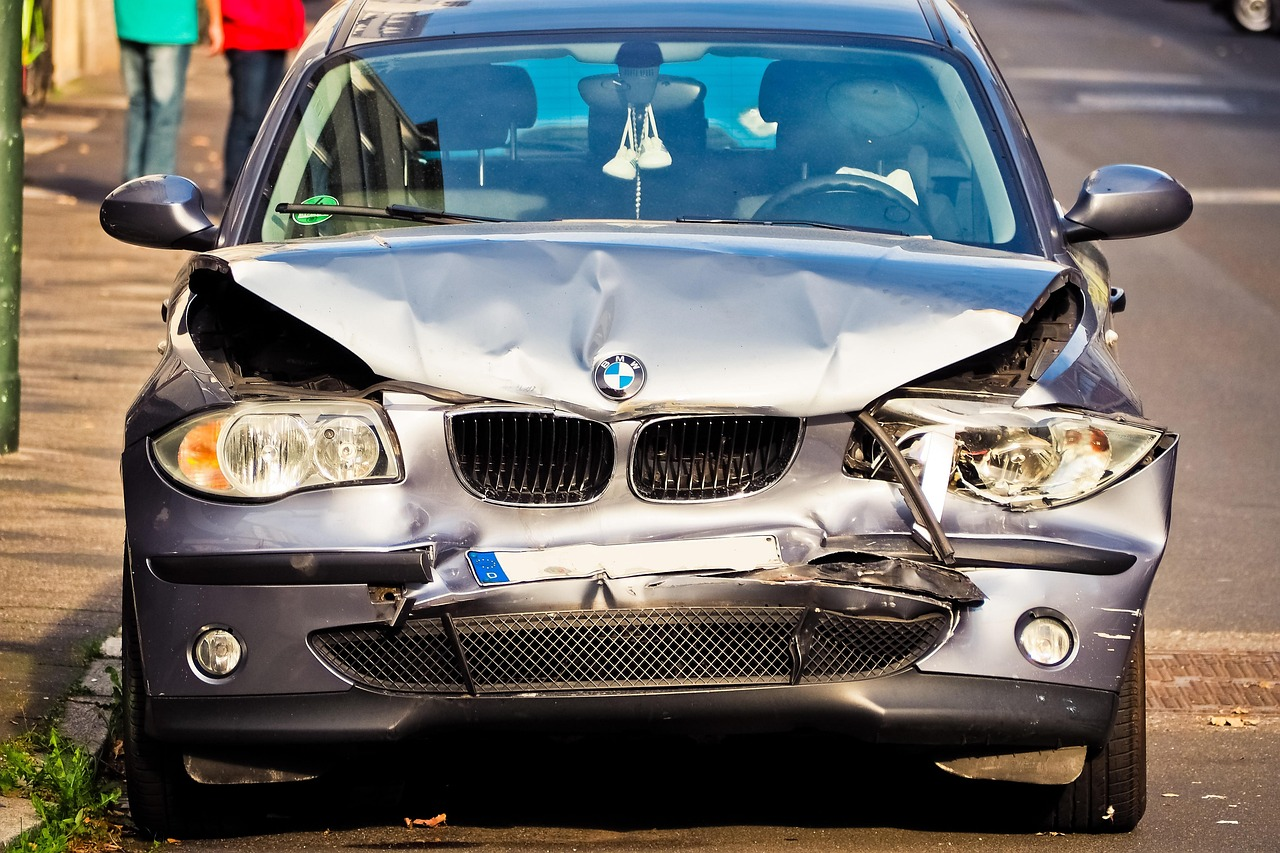
Damage to the other vehicle, if involved
Your visible injuries
The position of vehicles and the bicycle
Road conditions
Traffic signs and signals
Bike lanes or roadway markings
Debris or skid marks
Nearby intersections and surroundings
The scene can change quickly after an accident, so photographs may help preserve details that could become relevant later.
5. Exchange Information With the Other Driver
If a motor vehicle was involved, obtain the driver’s identifying and insurance information when it is safe to do so.
Important information may include:
Driver’s name
Contact information
Driver’s license information
Insurance company
Insurance policy information
Vehicle make and model
License plate number
If the driver leaves the scene, do not attempt to follow the vehicle yourself. Instead, provide law enforcement with whatever identifying information you can remember.
6. Look for Witnesses
People who witnessed the accident may have information about what happened immediately before and during the collision. If possible, obtain the names and contact information of witnesses. Their observations may become especially important if you and the other party later provide different accounts of the accident.
Nearby businesses or properties may also have surveillance cameras that captured the crash or events leading up to it.
7. Preserve Your Bicycle and Other Physical Evidence
Do not immediately repair, replace, or dispose of your bicycle if it may be relevant to your claim. Photograph the bicycle from multiple angles and preserve damaged components when possible. Repair estimates and invoices can also help document property damage.
Your bicycle may also contain physical evidence about the collision. Depending on the circumstances, an attorney may want to inspect it before repairs are completed.
8. Be Careful When Speaking With Insurance Companies
An insurance company may contact you after the accident to ask about what happened, your injuries, and your losses. Provide accurate information, but avoid guessing about details or making unsupported statements about who was responsible.
Keep copies of your communications with insurers and documents related to the claim. If an insurer disputes liability, questions your injuries, or offers a settlement before you understand the full extent of your losses, consider getting legal guidance before making important decisions.
9. Keep Records of Your Accident-Related Losses
A bicycle accident can create expenses and financial losses beyond immediate medical treatment.
Keep documentation of:
Medical bills
Prescription expenses
Physical therapy
Lost wages
Missed work
Bicycle repairs or replacement
Transportation expenses
Other reasonable accident-related costs
If your injuries affect your ability to work or perform normal activities, keep records describing those limitations as well.
10. Avoid Posting About the Accident on Social Media
Posts, photographs, videos, or comments about your accident may be viewed by insurance companies or other parties involved in a claim. Avoid posting statements that speculate about fault or suggest that your injuries are less serious than your medical records indicate.
You should also be cautious about posting photographs or activities that could be misunderstood when viewed without the full context of your injuries.
11. Understand That Fault May Need to Be Investigated
A bicycle accident is not automatically the cyclist’s fault simply because a bicycle was involved.
Potential causes can include:
A driver failing to yield
Distracted driving
Unsafe turns
Speeding
Failure to check for cyclists
Dooring incidents
Unsafe lane changes
Poorly maintained roads
Debris or other roadway hazards
5280 Injury’s bicycle accident practice page identifies driver negligence, dooring incidents, unsafe road conditions, intersection collisions, hit-and-run crashes, and collisions with larger vehicles among the types of bicycle accident cases it handles. The specific facts and available evidence will determine whether another person or entity may be legally responsible.
12. When Should You Contact a Bicycle Accident Lawyer?
Consider speaking with a bicycle accident attorney if you suffered significant injuries, the driver disputes fault, an insurance company is questioning your claim, or your accident has resulted in substantial medical expenses or lost income.
A bike accident lawyer may review the accident evidence, medical documentation, insurance information, and other records to help determine what legal options may be available.
Protecting Your UM/UIM Claim
After an accident involving an uninsured or underinsured driver, preserve as much relevant information as possible. Keep copies of the crash report, medical records, bills, insurance documents, photographs, witness information, and communications with insurers.
Most importantly, review your own policy to understand the UM/UIM coverage that may be available to you. If you were injured in a Colorado accident involving an uninsured or underinsured driver, 5280 Injury Law can help you understand your potential claim and the insurance options that may apply to your situation.
Protecting Your Bicycle Accident Claim
The steps you take after a bicycle accident can help preserve important evidence and document how the crash affected you. Seek medical attention, report the accident when appropriate, photograph the scene, collect witness information, preserve your bicycle, and keep records of your medical and financial losses.
If you were injured because of another person’s negligence, 5280 Injury Law can review your circumstances and help you understand your options for pursuing a bicycle accident claim.
Frequently Asked Questions (FAQs)
What should I do immediately after a bicycle accident in Colorado?
Move to a safe location if possible, seek medical attention, report the accident when appropriate, document the scene, and collect information from drivers and witnesses.
Should I see a doctor after a bicycle accident?
Yes, you should seek medical evaluation after a bicycle accident, particularly if you have pain, visible injuries, or symptoms that develop after the crash. Medical records can also document accident-related injuries.
What evidence can help with a bicycle accident claim?
Photos, videos, police reports, witness information, medical records, bicycle damage, vehicle damage, surveillance footage, and financial records may all help establish what happened and the losses caused by the accident.
Can I file a claim if a driver caused my bicycle accident?
Yes, you may be able to pursue a claim when another driver’s negligence caused your injuries, subject to the specific facts, applicable law, and available insurance coverage.
When should I contact a bicycle accident lawyer?
Consider contacting a bicycle accident lawyer when you have serious injuries, disputed fault, significant financial losses, or problems dealing with an insurance company after the crash.