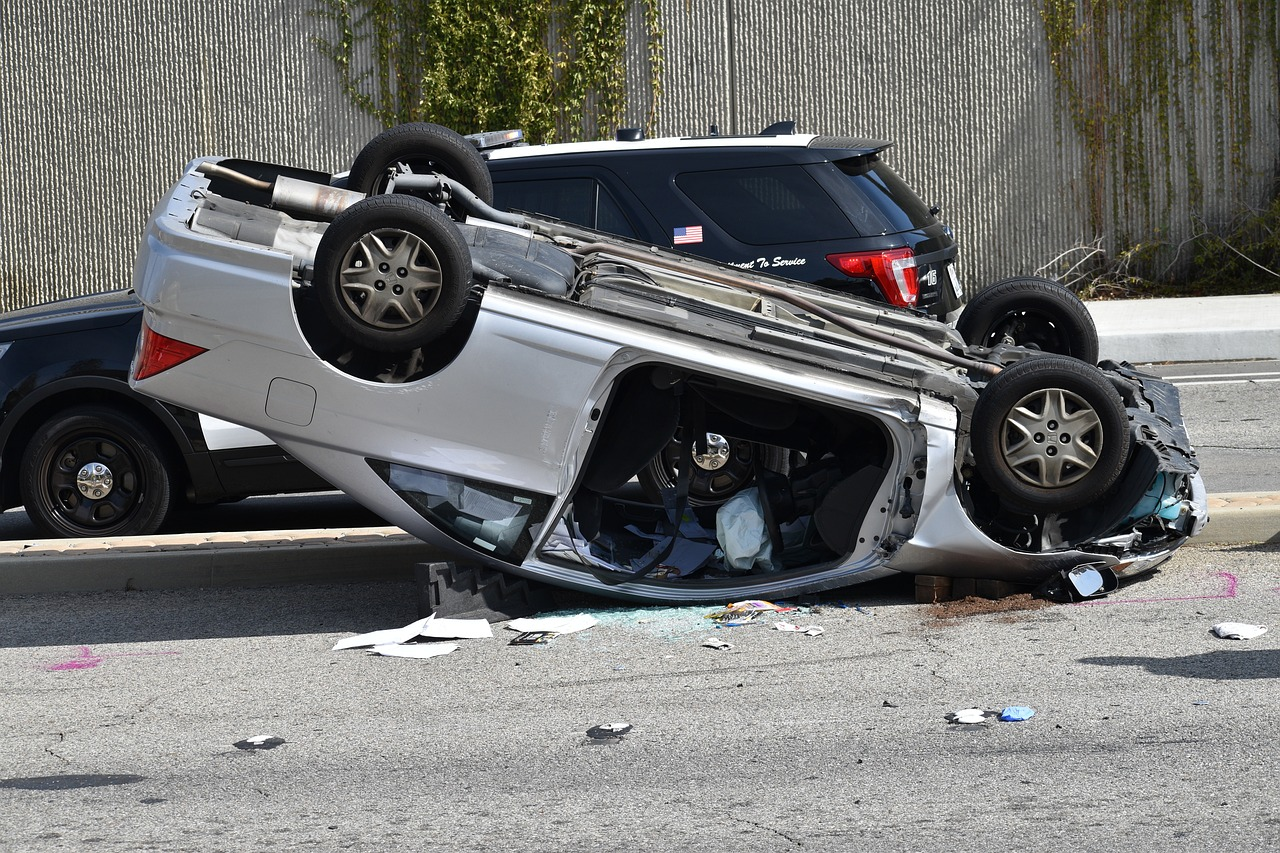
After a car accident, the evidence you collect can play an important role in showing what happened, who may be responsible, and how the crash affected you. Even details that seem minor at the scene can become important later when an insurance company is reviewing your claim.
Photographs, witness information, police reports, medical records, vehicle damage, and other documentation can help create a clearer picture of the accident. Keeping this information organized can also make it easier to respond to questions about your insurance claim.
If the other driver or an insurance company disputes responsibility, working with a car accident lawyer may help you understand what evidence is relevant and how it can support your claim.
1. Photos and Videos From the Accident Scene
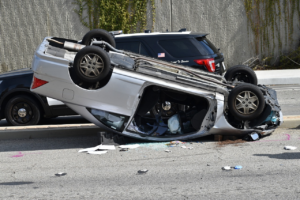
Photos can provide visual evidence of what the vehicles, roadway, traffic signals, weather conditions, and surrounding area looked like after the crash.
If it is safe to do so, consider photographing:
Damage to all involved vehicles
The position of the vehicles
Skid marks or debris
Traffic signs and signals
Road conditions
Visible injuries
Nearby property damage
Videos can also be useful when they capture the broader accident scene or surrounding conditions. Colorado’s rules of evidence recognize photographs as evidence that may be used to depict matters a witness could describe.
2. The Police or Crash Report
A police report can provide an important record of the incident. It may contain information about the drivers, vehicles, location, statements, observations, and circumstances surrounding the crash.
Colorado law requires law enforcement officers who investigate certain traffic accidents to submit reports to the Department of Revenue, subject to statutory exceptions. If law enforcement responds to your crash, keep a copy of the report or obtain the report number so you can reference it when dealing with insurers or other parties.
3. Witness Information and Statements
People who saw the accident may be able to provide information about what happened before and during the crash.
If there are witnesses, try to obtain their:
Names
Phone numbers
Email addresses
Basic description of what they observed
Witnesses may be particularly useful when the drivers give different accounts of how the accident occurred.
4. Medical Records and Treatment Documentation
Evidence about your injuries is important when an accident results in medical treatment. Medical records can document the nature of your injuries, treatment provided, follow-up care, and recommendations from healthcare professionals.
Keep copies of relevant documents, including:
Emergency room records
Doctor’s notes
Diagnostic imaging
Prescription information
Physical therapy records
Medical bills
Follow-up treatment records
Following your healthcare provider’s treatment recommendations and keeping your records organized can help establish how the accident affected your health.
5. Evidence of Vehicle Damage
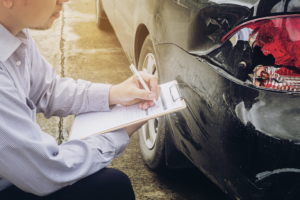
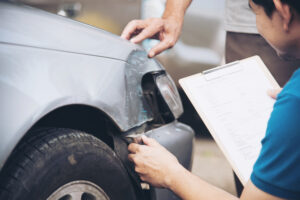
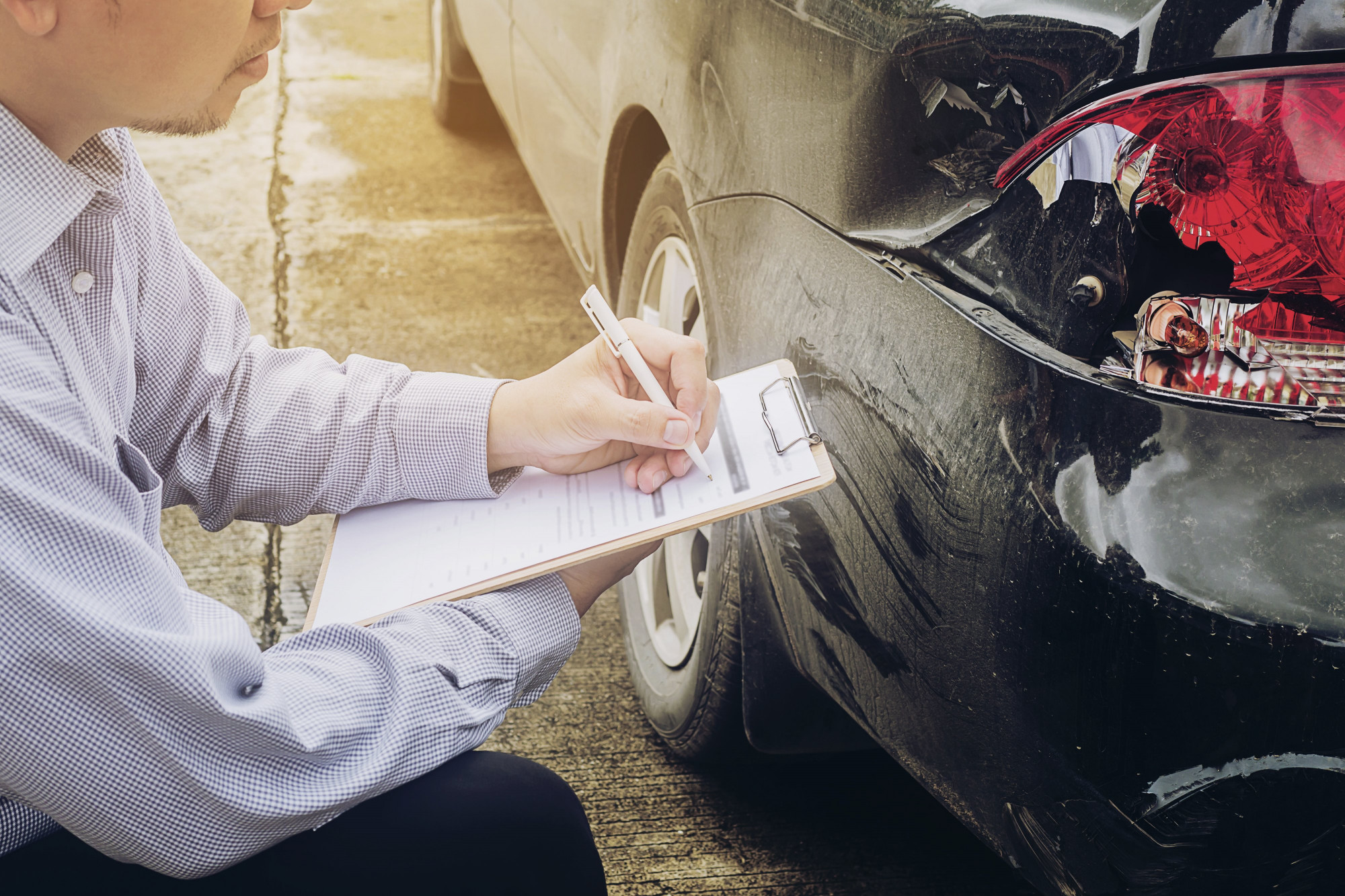
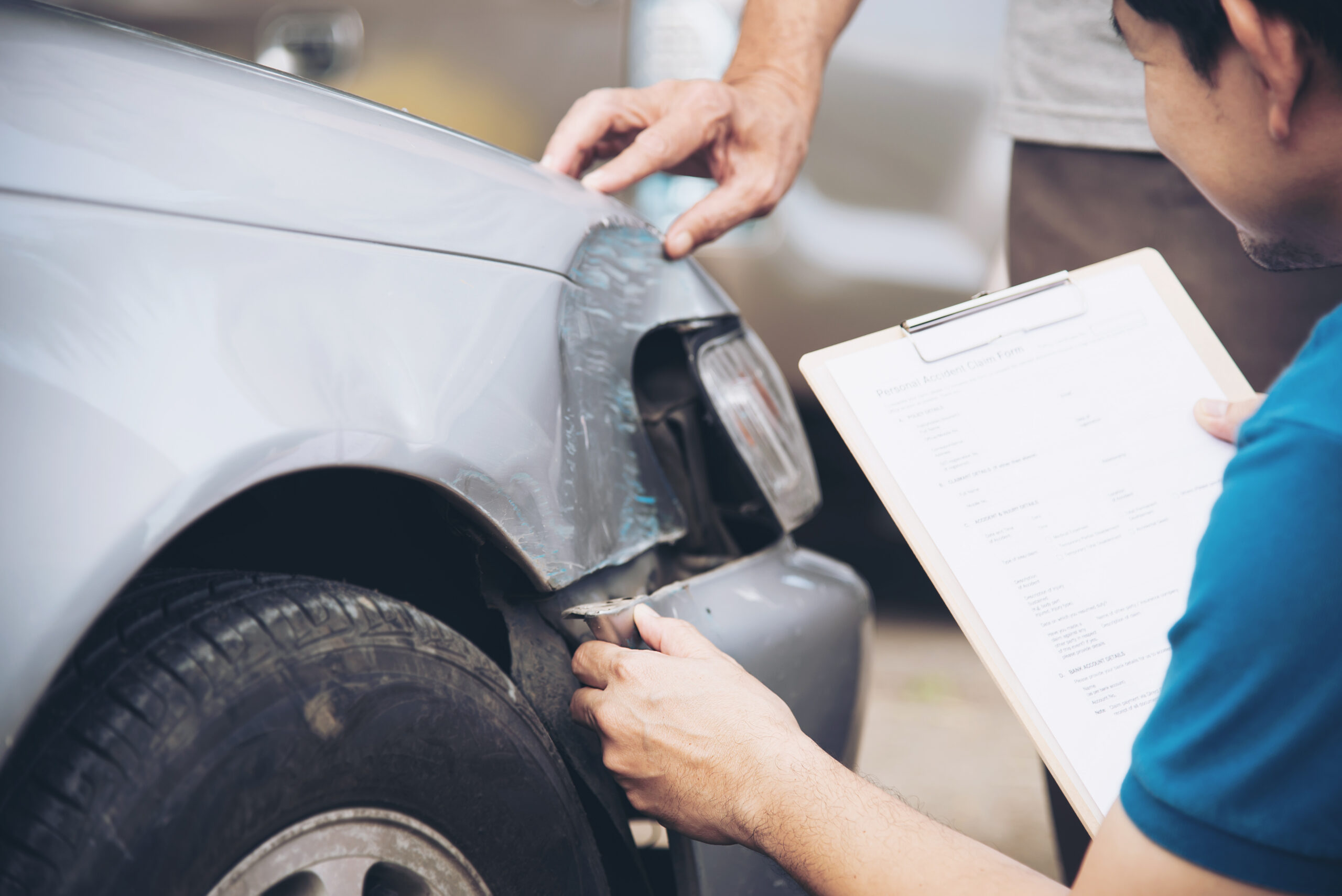
Damage to the vehicles can provide information about the collision. Photographs, repair estimates, invoices, and inspection records can help document the extent of property damage.
Keep documentation showing:
Initial vehicle damage
Repair estimates
Final repair bills
Towing or storage expenses
Rental vehicle expenses
Total-loss valuation information, when applicable
Do not assume that vehicle damage alone establishes fault. Instead, it can become one part of the overall evidence used to evaluate how the crash occurred.
6. Traffic Camera, Dashcam, or Surveillance Footage
Video footage can sometimes provide direct information about an accident. Depending on the circumstances, footage may come from a vehicle’s dashcam, nearby businesses, traffic cameras, or other sources.
Because some surveillance systems automatically overwrite older recordings, identifying potentially relevant footage quickly can be important. If you know that a nearby business or property may have captured the crash, make a note of the location and approximate time. A lawyer can help determine whether the footage may be relevant to your claim.
7. Documents Showing Lost Income
If your injuries prevent you from working, evidence of your financial losses can become an important part of an insurance claim.
Depending on your circumstances, relevant documentation may include:
Pay stubs
Employer records
Time-off records
Tax documents
Self-employment records
Documentation of missed work
Information about reduced earning capacity
Keeping these records can help demonstrate the financial effect of the accident rather than relying only on a general description of lost income.
8. Insurance and Accident-Related Communications
Keep copies of communications related to your insurance claim. This can include emails, letters, claim documents, estimates, and other written communications with insurance representatives.
Colorado drivers involved in a crash are generally required to exchange identifying and insurance information, and the Colorado Driver Handbook advises drivers to provide proof of insurance to law enforcement when involved in a crash. Avoid deleting messages or documents related to the accident. A complete record can help you keep track of what was reported and when.
9. Evidence Showing How the Accident Happened
Different types of evidence can work together to establish a clearer account of the crash. For example, photographs may show vehicle positions and damage, while witness statements may provide information about what happened immediately before the collision. A police report, video footage, and physical evidence may provide additional context.
The goal is not simply to collect as many documents as possible. It is to preserve reliable information that helps explain the circumstances of the accident.
10. Evidence of Your Accident-Related Losses
A car accident claim may involve more than vehicle repairs and immediate medical expenses. Depending on the circumstances, documentation may also relate to other losses caused by the accident.
Keep records of expenses such as:
Medical treatment
Prescription costs
Vehicle repairs
Towing
Rental transportation
Lost income
Other reasonable accident-related expenses
Your documentation should make it easier to show what you paid, why the expense occurred, and how it relates to the accident.
How Evidence Can Affect an Insurance Claim
Insurance companies may review available evidence when determining how an accident happened and evaluating a claim. Clear documentation can help address disputes about fault, injuries, property damage, or financial losses.
Colorado also allows optional uninsured/underinsured motorist coverage, which can provide coverage for certain bodily injury losses involving uninsured, underinsured, or hit-and-run drivers. Because coverage and liability can depend on the specific facts and insurance policies involved, reviewing the available evidence is an important part of understanding your options.
When Should You Contact a Car Accident Lawyer?
You may want to consider speaking with a car accident lawyer when the other driver disputes fault, your injuries are serious, the insurance company questions your claim, or your losses are significant. A lawyer can review the available accident evidence, help identify additional information that may be relevant, and communicate with insurers regarding the claim.
Protecting Your Car Accident Claim
The evidence you preserve after a crash can become important long after the vehicles have been repaired and the accident scene has changed. Take photographs when it is safe, obtain witness information, keep medical and financial records, preserve insurance communications, and maintain copies of relevant reports.
If questions about fault, injuries, or insurance coverage become complicated, 5280 Injury Law can review the circumstances and explain the legal options that may be available.
Frequently Asked Questions (FAQs)
What is the most important evidence in a car accident claim?
There is no single piece of evidence that is always the most important. Photos, police reports, witness statements, medical records, video footage, and financial documentation can all help establish different parts of a claim.
Can photos help prove who was at fault in a car accident?
Yes, photos may help show vehicle positions, damage, road conditions, traffic signs, and other circumstances relevant to determining how the accident occurred.
Should I keep my medical records after a car accident?
Yes, you should keep copies of medical records, bills, treatment recommendations, and other documentation related to accident injuries.
What if the other driver says the accident was my fault?
You should avoid making assumptions or admitting fault before the circumstances have been properly reviewed. Photos, witness statements, reports, video footage, and other evidence may help establish what happened.
Can a car accident lawyer help gather evidence?
Yes, a car accident lawyer may help identify relevant evidence, review available documentation, communicate with insurance companies, and investigate disputed aspects of the claim.