


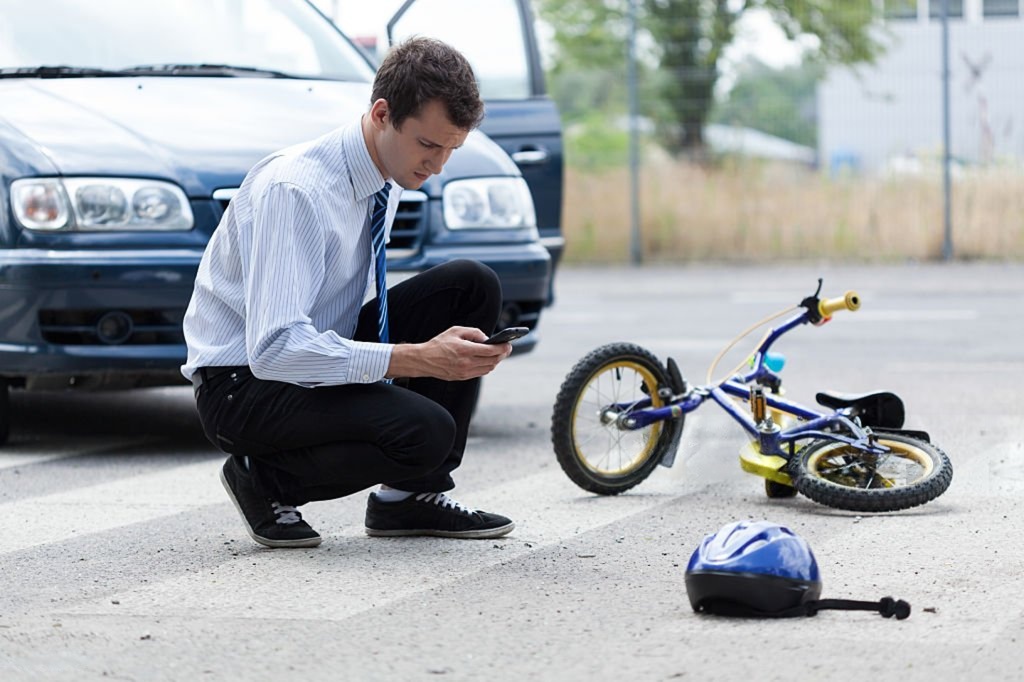
A bicycle accident can happen in seconds, but the consequences may continue long after the crash. Injuries, medical expenses, damaged property, missed work, and conversations with insurance companies can make the aftermath difficult to manage. In some cases, determining who is responsible for the accident can also become complicated.
Not every bicycle accident requires legal representation. However, certain circumstances can make it worthwhile to speak with a bicycle accident lawyer about your situation. Understanding when legal guidance may be helpful can make it easier to protect important evidence and make informed decisions about a potential claim.
When Should You Contact a Bicycle Accident Lawyer?
There is no single rule that determines when someone should contact a lawyer after a bicycle accident. The right time can depend on the severity of the injuries, the circumstances of the collision, the available evidence, and whether the insurance company is disputing the claim.
If the accident caused significant injuries or financial losses, the other party is denying responsibility, or you are having difficulty dealing with an insurance company, speaking with a lawyer may help you understand your options.
You Suffered Serious or Long-Term Injuries
Serious injuries are one of the most common reasons to seek legal guidance after a bicycle accident. A collision with a motor vehicle can result in broken bones, head injuries, spinal injuries, internal injuries, or other conditions that require extensive medical treatment. Recovery may involve emergency care, hospitalization, surgery, physical therapy, or ongoing rehabilitation.
The financial impact may also extend beyond the initial medical bills. If an injury prevents you from working or affects your ability to perform your usual job, lost income and potential future losses may become part of the claim. When injuries are substantial, it can be difficult to determine the full extent of your losses while you are still recovering. A legal professional can review the circumstances and explain what types of damages may potentially be relevant.
The Driver Disputes Responsibility
A bicycle accident claim can become more complicated when the driver involved does not accept responsibility for the crash. For example, the driver may claim that the cyclist failed to yield, entered the roadway unexpectedly, or violated a traffic rule. The cyclist may have a different account of what happened.
Colorado generally gives bicyclists the same rights and duties applicable to drivers, subject to specific bicycle-related laws. As a result, determining responsibility may require a careful review of the circumstances surrounding the collision. Photographs, witness statements, traffic-camera footage, road markings, vehicle damage, and accident reports can all help establish what happened. When fault is disputed, preserving this evidence can become particularly important.
The Insurance Company Is Questioning Your Claim
Insurance companies investigate accidents before deciding how to handle a claim. An adjuster may ask about the accident, your injuries, your medical treatment, your previous health history, lost income, and other details. If the insurer is questioning your injuries or arguing that its policyholder was not responsible, consider getting legal guidance before making decisions about the claim.
A bicycle accident attorney can review the available information and help you understand how liability, insurance coverage, and documented losses may affect your situation. You should also keep copies of emails, letters, claim forms, recorded statements, and other communications with the insurance company.
Your Medical Expenses Are Significant
Even injuries that initially appear manageable can result in unexpected medical expenses. Depending on the circumstances, treatment may include emergency care, diagnostic testing, specialist appointments, medication, physical therapy, or rehabilitation.
Keep your medical bills and records organized throughout your recovery. These documents can help demonstrate what treatment you received and how the accident affected you financially. If your doctors expect that you will need additional treatment, future medical expenses may also need to be considered when evaluating the potential value of a claim.
You Missed Work Because of the Accident
A bicycle accident can affect your ability to work, particularly when injuries require an extended recovery period. If you miss work because of your injuries, keep records that show your lost income. Pay statements, employer records, leave documentation, and other income records may help demonstrate the financial effect of the accident.
For people who are self-employed or whose earning capacity is affected by a long-term injury, documenting these losses may require additional information.
The Driver Was Distracted or Driving Unsafely
The circumstances of the driver’s behavior can also be important when evaluating a bicycle accident. Distracted driving, speeding, running a red light, failing to yield, making an unsafe turn, or passing a cyclist without sufficient space may contribute to a collision. Colorado’s Three Foot Law requires drivers and motorcyclists to provide at least three feet of space when passing bicyclists and e-bike riders.
If a driver failed to follow applicable traffic rules, evidence of that conduct may become relevant when determining responsibility for the crash.
The Accident Happened at an Intersection
Intersections can create complicated bicycle accident situations because vehicles, cyclists, pedestrians, traffic signals, and turning movements may all interact in the same area. A collision may occur when a driver turns across a cyclist’s path, fails to yield, runs a red light, or does not notice a cyclist traveling through the intersection.
Colorado also has a Safety Stop Law that allows cyclists to treat certain stop signs as yield signs and certain red lights as stop signs when the requirements of the law are met. Therefore, determining who had the right-of-way may require more than simply looking at where the vehicles or bicycles were positioned after the crash. When the parties have different accounts of an intersection collision, photographs, video footage, witness statements, and traffic information can be especially useful.
You Were Involved in a Hit-and-Run
A hit-and-run can make an accident claim more challenging because the driver may leave before their identity and insurance information are obtained. If you are able to do so safely, try to remember or document details about the vehicle, including its make, model, color, license plate information, and direction of travel. Witnesses or nearby security cameras may also provide information that helps identify the vehicle.
Report the accident to the appropriate authorities and seek medical attention if you are injured. Depending on the circumstances, available insurance coverage may also become an important part of the claim.
Your Bicycle or Other Property Was Damaged
The consequences of a bicycle accident are not limited to physical injuries. A collision can also damage the bicycle, helmet, cycling equipment, clothing, or other personal property. Take photographs of the damaged bicycle and equipment, and keep repair estimates, receipts, and other records related to the property. When possible, avoid disposing of damaged equipment before determining whether it may be relevant evidence.
A damaged bicycle can sometimes provide useful information about how the collision occurred, in addition to documenting the financial loss.
You Believe You May Have Contributed to the Accident
Some cyclists hesitate to seek legal advice because they believe they may have been partly responsible for the crash. However, being partly at fault does not necessarily mean there is no potential claim. Colorado follows comparative negligence principles, which can affect the amount a person may recover when their own conduct contributed to an accident.
The specific facts matter. Statements from witnesses, photographs, video footage, traffic laws, road conditions, and other evidence may help establish how responsibility should be evaluated. If you are unsure how your actions may affect a claim, discussing the circumstances with a bike injury attorney can help you understand the issues involved.
Multiple People or Factors Were Involved
Some bicycle accidents are not as simple as one cyclist and one driver. For example, another vehicle may have contributed to the crash, a road condition may have played a role, or more than one person may have been involved. When several factors contribute to an accident, identifying the potentially responsible parties can require a closer investigation.
In these situations, a bicycle accident law firm can review the available evidence and help identify the issues that may affect a potential claim.
What Should You Do After a Bicycle Accident?
Your first priority after a bicycle accident should be your safety and medical needs. If necessary, call 911 and seek medical attention, even if your injuries do not initially appear serious. When it is safe to do so, photograph the accident scene, your bicycle, the other vehicle, road conditions, and any visible injuries. Collect contact information from witnesses and obtain the driver’s insurance information when possible.
Keep your medical records, bills, repair estimates, employment records, and communications with insurance companies. These documents can become important if you later need to demonstrate the extent of your injuries or financial losses. Avoid posting detailed statements about the accident or your injuries on social media. Information shared publicly may become relevant to an insurance dispute or legal claim.
How Can a Bicycle Accident Lawyer Help?
A lawyer can review the circumstances of your accident and help you understand the legal and practical issues involved. Depending on the situation, this may include reviewing accident reports, medical records, photographs, witness statements, video footage, bicycle and vehicle damage, insurance communications, and documentation of lost income.
A lawyer may also communicate with insurance companies and help you understand the potential claims and damages that may apply to your circumstances. Legal guidance can be particularly useful when liability is disputed, injuries are serious, multiple parties are involved, or the insurance company is questioning your claim.
Is It Worth Contacting a Lawyer After Every Bicycle Accident?
Not necessarily. A minor accident involving little or no injury and limited property damage may not require legal representation. However, it can be helpful to seek legal guidance when the accident involves serious injuries, significant medical expenses, lost income, disputed responsibility, substantial property damage, a hit-and-run driver, or an insurance dispute.
The earlier important evidence is preserved, the easier it may be to understand what happened and evaluate the available options.
When Should You Contact a Bicycle Accident Lawyer?
Consider contacting a bicycle accident lawyer when your accident has resulted in significant injuries or financial losses, when the other party disputes responsibility, or when you are having difficulty dealing with an insurance company.
You do not need to wait until a claim becomes complicated before seeking information. Understanding your options early can help you make informed decisions about medical treatment, evidence, insurance communications, and the next steps in your case. If you were injured in a bicycle accident in Colorado, 5280 Injury Law can review the circumstances of your accident and explain the legal options that may be available based on the facts of your case.
Frequently Asked Questions (FAQs)
When should I contact a bicycle accident lawyer?
You should consider contacting a bicycle accident lawyer when you have serious injuries, significant financial losses, disputed fault, a hit-and-run accident, or problems with an insurance company.
Do I need a lawyer if the driver admits fault?
Not necessarily. However, legal guidance may still be useful if you have serious injuries or significant losses because an insurance claim can involve more than simply determining who caused the accident.
What if the insurance company says I caused the accident?
An insurance company’s position does not automatically determine legal responsibility. Evidence such as photographs, witness statements, video footage, and accident reports may help establish what happened.
Can a bike injury attorney help with medical bills and lost wages?
A bike injury attorney can review your medical expenses, lost income, and other documented losses and explain which damages may potentially be recoverable under the circumstances.
How can a bicycle accident law firm help after a crash?
A bicycle accident law firm can review the accident, examine available evidence, communicate with insurance companies, and explain the legal options that may be available based on the circumstances of the case.