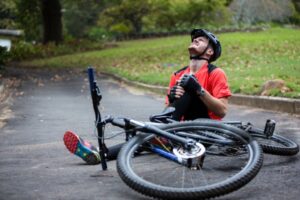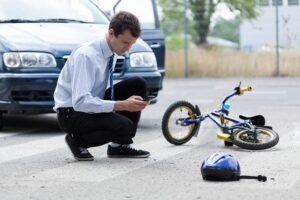
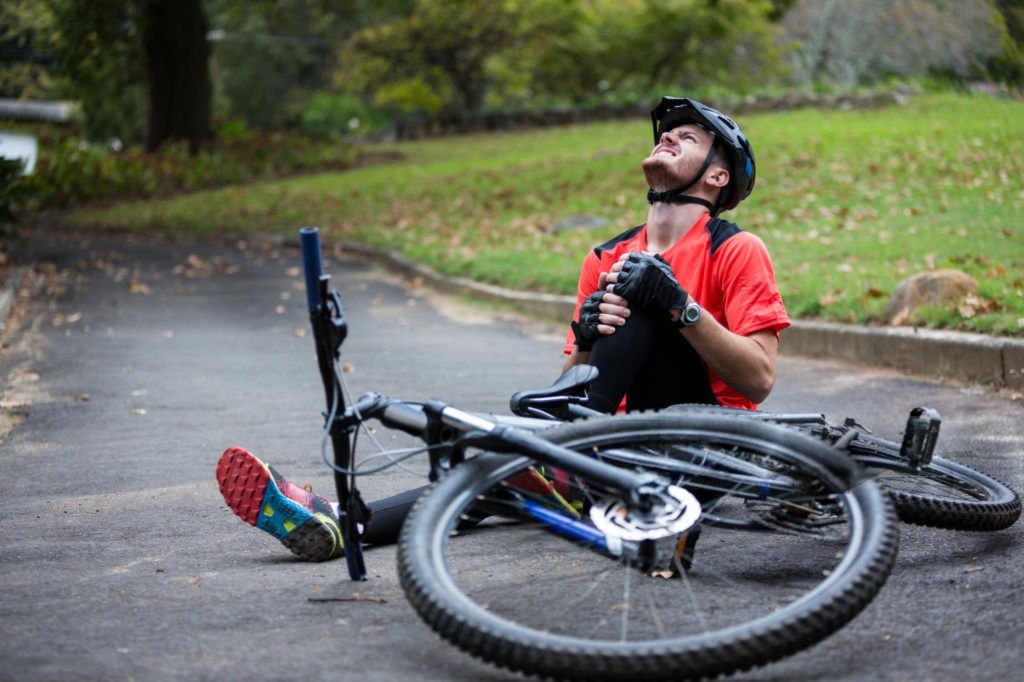
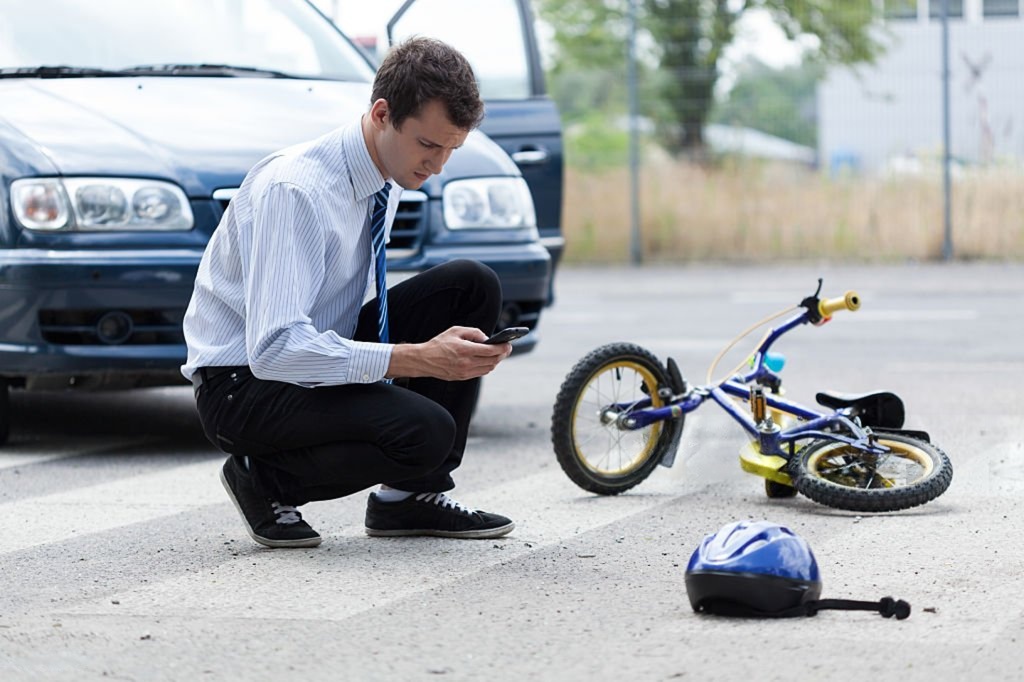
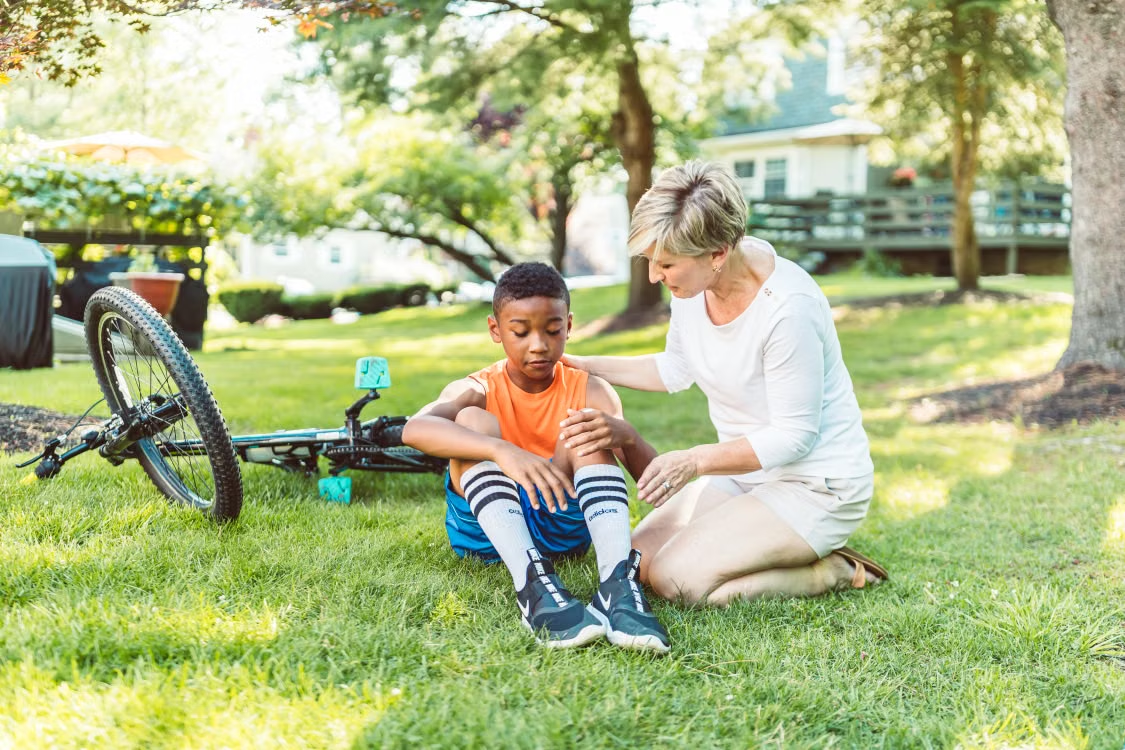
A bicycle accident claim often depends on evidence showing how the crash happened, who may have been responsible, and what injuries and losses resulted. While an injured cyclist may remember the events clearly, evidence from the accident scene, witnesses, medical records, and other sources can provide additional support.
Evidence can become particularly important when a driver or insurance company disputes liability. Photos, videos, traffic records, witness statements, and physical damage may help establish what happened before, during, and after the collision. If you were injured in a Colorado bicycle accident, a bicycle accident lawyer can review the available evidence and help you understand how it may relate to your claim.
1. Photos of the Accident Scene
Photographs taken shortly after a bicycle accident can preserve details that may later change or disappear.
If it is safe to do so, take photos of:
The location of the crash
The position of the bicycle and vehicle
Vehicle damage
Bicycle damage
Road signs and traffic signals
Lane markings and bicycle lanes
Road conditions
Debris or obstacles
Visible injuries
Photographs can help show the physical circumstances surrounding the collision and may provide context that is not fully captured in a written report.
2. Video Footage
Video evidence can be particularly useful when there is a dispute about how a bicycle accident occurred.
Potential sources may include:
Dashcam recordings
Traffic cameras
Security cameras
Business surveillance systems
Residential cameras
Cellphone recordings
Bicycle-mounted cameras
Video may help establish vehicle movements, traffic signals, lane positions, and other details immediately before the crash. Because surveillance footage may not be retained indefinitely, identifying potentially useful video sources soon after an accident can be important.
3. Witness Statements
People who saw the crash may provide information about what happened immediately before the collision.
A witness may have observed:
The driver’s speed or movement
Whether the driver was distracted
A traffic signal
A failure to yield
An unsafe passing maneuver
The cyclist’s position on the roadway
The location of the bicycle and vehicle
If someone witnessed the accident, obtain their contact information when possible. Their account may become useful if the parties later provide different descriptions of the crash.
4. The Police or Crash Report
A police or crash report can contain information about the circumstances of the incident, the parties involved, statements made at the scene, and other observations documented by law enforcement.
Colorado law also provides that, upon request, law enforcement must complete a report concerning an injury or death incident involving a bicycle, e-bike, or electric scooter on state roadways, even when a motor vehicle is not involved. If law enforcement responded to your crash, keep a copy of the report and review it for accuracy.
5. Medical Records and Bills
Medical documentation is important for establishing the injuries caused by a bicycle accident.
Medical records may document:
The nature of your injuries
Diagnostic testing
Treatment provided
Medications
Follow-up care
Physical therapy
Recommended future treatment
Medical bills can also help document the financial impact of the accident. Seek medical attention after a crash when necessary, even if an injury does not initially seem severe. Some injuries may become more noticeable over time.
6. Evidence of Lost Income
A serious bicycle accident may prevent an injured person from working temporarily or may affect their ability to perform their job.
Documents that may help establish lost income include:
Pay statements
Employer records
Leave documentation
Tax records
Self-employment records
Other documentation showing lost earnings
If an injury affects future earning capacity, additional evidence may be needed to evaluate the potential financial impact.
7. Bicycle and Vehicle Damage
The physical condition of the bicycle and vehicle after the crash can provide useful information about how the collision occurred.
Photograph the damage from multiple angles and preserve the bicycle and relevant equipment when possible. Do not immediately repair, replace, or discard severely damaged equipment if it may be relevant to the claim. Repair estimates, purchase receipts, and other records can also help document property losses.
8. Traffic Signals, Signs, and Road Markings
The location and condition of traffic controls can be important when determining who had the right-of-way.
Evidence may include:
Stop signs
Traffic lights
Yield signs
Bicycle lane markings
Crosswalks
Lane markings
Road signs
Intersection layouts
Colorado gives bicyclists many of the same rights and responsibilities as drivers, subject to bicycle-specific rules.
For example, Colorado’s Three Foot Law requires drivers and motorcyclists to provide at least three feet of space when passing bicyclists and e-bike riders. If there is not enough room to safely provide that distance, the driver must slow down and remain behind the cyclist until it is safe to pass. If a crash involves an unsafe passing maneuver, photographs and other evidence showing the roadway layout may therefore be relevant.
9. Evidence of Road Conditions
Road conditions may also contribute to a bicycle accident.
Photographs can document:
Potholes
Uneven pavement
Gravel or debris
Damaged road surfaces
Obstructions
Poorly maintained bicycle lanes
Other hazards
If a roadway condition contributed to the crash, determining who may be legally responsible can involve additional requirements. The specific location, ownership, maintenance responsibilities, and circumstances should be examined.
10. Cellphone or Digital Evidence
Digital information may sometimes help establish what happened before a crash.
Depending on the circumstances, relevant evidence could include:
Text messages
Call records
Navigation information
Dashcam files
GPS data
Digital photographs
Other time-stamped records
For example, if distracted driving is alleged, evidence showing what a driver was doing immediately before the crash may become relevant. Not every case will involve this type of evidence, and its availability depends on the circumstances.
11. Evidence of Safety Equipment and Visibility
Evidence concerning lighting, reflective equipment, and other safety measures may become relevant depending on when and where the accident occurred. Colorado has specific requirements concerning bicycle lighting and reflective equipment during nighttime and certain low-visibility conditions.
Photographs of the bicycle’s lights, reflectors, clothing, and surrounding lighting conditions may therefore be useful when visibility is disputed. This does not automatically determine who was responsible for a crash. The entire set of circumstances should be considered.
12. Insurance and Other Financial Documents
Keep copies of communications with insurance companies after a bicycle accident.
This may include:
Claim numbers
Emails
Letters
Settlement offers
Requests for medical records
Statements provided to insurers
Property damage estimates
Insurance policy information
Keeping these documents organized can make it easier to track the claim and respond to requests.
How Evidence Can Affect a Bicycle Accident Claim
The value of evidence is not limited to proving that a crash occurred. Evidence can help establish several important parts of a bicycle injury claim.
Establishing Liability
Photos, videos, witnesses, traffic signals, road markings, and crash reports may help show how the accident happened and whether another person’s actions contributed to it.
Establishing Injuries
Medical records can connect the accident to the injuries and document the treatment required.
Establishing Financial Losses
Bills, wage records, repair estimates, and other financial documents can help demonstrate the economic effects of the accident.
Addressing Disputes About Fault
If another party claims that the cyclist caused or contributed to the crash, evidence can help provide a more complete picture of the circumstances.
What Should You Do Immediately After a Bicycle Accident?
If you are able to do so safely after a crash, consider taking these steps:
Move to a safe location if necessary.
Call 911 when appropriate.
Seek medical attention for injuries.
Photograph the scene and damage.
Collect witness contact information.
Exchange information with the driver when applicable.
Preserve the bicycle and damaged equipment.
Keep medical and financial records.
Save relevant photographs, videos, and communications.
Avoid deleting potentially relevant digital evidence.
Do not put yourself at additional risk to collect evidence. Your safety and medical needs should come first.
How a Bicycle Accident Attorney Can Help With Evidence
A bicycle accident attorney can help review the evidence surrounding a crash and identify information that may be relevant to liability and damages.
Depending on the circumstances, this may include reviewing accident reports, photographs, witness statements, medical records, video footage, property damage, and insurance communications. An attorney can also help address disputes about who caused the accident and whether the available evidence supports the position being taken by an insurance company.
Protecting Your Bicycle Accident Claim
Strong documentation can make it easier to understand what happened after a bicycle accident. Scene photographs, video footage, witness statements, medical records, financial documents, and physical evidence can each provide information about different aspects of a claim.
If you were injured in a Colorado bicycle accident, 5280 Injury Law can review the circumstances of your crash and help you understand your potential legal options.
Frequently Asked Questions (FAQs)
What is the most important evidence after a bicycle accident?
There is no single piece of evidence that is most important in every case. Photos, videos, witness statements, crash reports, medical records, and other documentation may all help establish different aspects of a claim.
Can photos help prove a bicycle accident claim?
Yes. Photos can document the accident scene, road conditions, traffic controls, bicycle and vehicle damage, and visible injuries.
Should I keep my damaged bicycle after an accident?
Yes, when practical. Preserving the damaged bicycle and related equipment may be useful if their condition becomes relevant to determining how the crash occurred or documenting property damage.
Can witnesses help with a bicycle accident claim?
Yes. Witnesses may provide information about traffic signals, vehicle movements, right-of-way, road position, and other circumstances surrounding the crash.
When should I contact a bicycle accident lawyer?
Consider contacting a bicycle accident lawyer if you suffered significant injuries, liability is disputed, an insurance company is questioning your claim, or you have substantial medical expenses or other losses.